


- Afhalen na 1 uur in een winkel met voorraad
- Gratis thuislevering in België vanaf € 30
- Ruim aanbod met 7 miljoen producten
- Afhalen na 1 uur in een winkel met voorraad
- Gratis thuislevering in België vanaf € 30
- Ruim aanbod met 7 miljoen producten





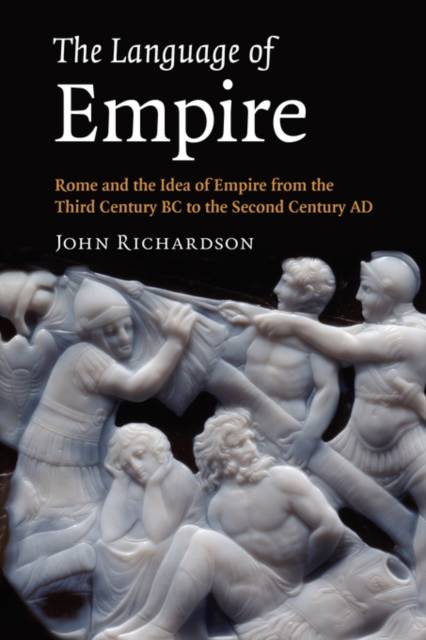
The Language of Empire
Rome and the Idea of Empire from the Third Century BC to the Second Century AD
John Richardson
Paperback | Engels
€ 80,95
+ 161 punten
Uitvoering
Omschrijving
The Roman Empire has been an object of fascination for the past two millennia, and the story of how a small city in central Italy came to dominate the whole of the Mediterranean basin, most of modern Europe and the lands of Asia Minor and the Middle East, has often been told. It has provided the model for European empires from Charlemagne to Queen Victoria and beyond, and is still the basis of comparison for investigators of modern imperialisms. By an exhaustive investigation of the changing meanings of certain key words and their use in the substantial remains of Roman writings and in the structures of Roman political life, this book seeks to discover what the Romans themselves thought about their imperial power in the centuries in which they conquered the known world and formed the empire of the first and second centuries AD.
Specificaties
Betrokkenen
- Auteur(s):
- Uitgeverij:
Inhoud
- Aantal bladzijden:
- 232
- Taal:
- Engels
Eigenschappen
- Productcode (EAN):
- 9781107402799
- Verschijningsdatum:
- 11/08/2011
- Uitvoering:
- Paperback
- Formaat:
- Trade paperback (VS)
- Afmetingen:
- 152 mm x 229 mm
- Gewicht:
- 344 g


Alleen bij Standaard Boekhandel
+ 161 punten op je klantenkaart van Standaard Boekhandel
CADEAU

AANGERADEN


Beoordelingen
We publiceren alleen reviews die voldoen aan de voorwaarden voor reviews. Bekijk onze voorwaarden voor reviews.