


- Afhalen na 1 uur in een winkel met voorraad
- Gratis thuislevering in België vanaf € 30
- Ruim aanbod met 7 miljoen producten
- Afhalen na 1 uur in een winkel met voorraad
- Gratis thuislevering in België vanaf € 30
- Ruim aanbod met 7 miljoen producten





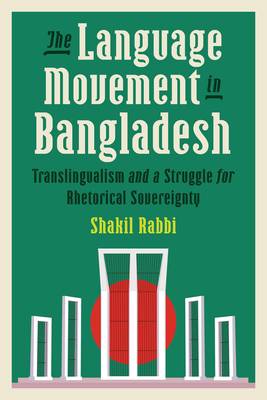
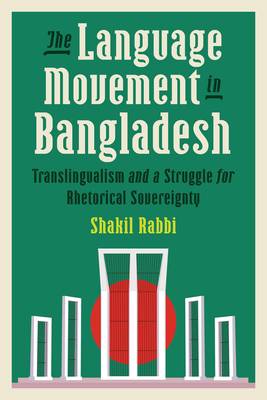
The Language Movement in Bangladesh
Translingualism and a Struggle for Rhetorical Sovereignty
Shakil Rabbi
€ 47,45
+ 94 punten
Uitvoering
Omschrijving
The Language Movement in Bangladesh charts the Bangla Language Movement from a rhetorical perspective. Following Partition in 1947, major conflicts over land, religion, power, and language characterized the newly independent nations of India and Pakistan. The debate over recognizing Bangla as a state language in East Pakistan was particularly consequential. Lasting nearly a decade, it upended Pakistan's political and social order and set the stage for Bangladeshi independence in 1971. Shakil Rabbi investigates the rhetorical facets of this debate and its takeaways for critical conversations around translingualist perspectives and rhetorical sovereignty. Rabbi analyzes the role of traditional, modernist, and folk ideologies during this era of subcontinental history through a combination of digital humanities and translingualist methodologies. The Language Movement in Bangladesh adds to scholarship around language rights and language ideologies with an examination of a politically explosive debate in a non-Western and postcolonial context.
Specificaties
Betrokkenen
- Auteur(s):
- Uitgeverij:
Inhoud
- Aantal bladzijden:
- 264
- Taal:
- Engels
- Reeks:
Eigenschappen
- Productcode (EAN):
- 9780822967903
- Verschijningsdatum:
- 9/06/2026
- Uitvoering:
- Paperback
- Formaat:
- Trade paperback (VS)
- Afmetingen:
- 152 mm x 229 mm


Alleen bij Standaard Boekhandel
+ 94 punten op je klantenkaart van Standaard Boekhandel
Cadeau

AANGERADEN


Beoordelingen
We publiceren alleen reviews die voldoen aan de voorwaarden voor reviews. Bekijk onze voorwaarden voor reviews.