


- Afhalen na 1 uur in een winkel met voorraad
- Gratis thuislevering in België vanaf € 30
- Ruim aanbod met 7 miljoen producten
- Afhalen na 1 uur in een winkel met voorraad
- Gratis thuislevering in België vanaf € 30
- Ruim aanbod met 7 miljoen producten





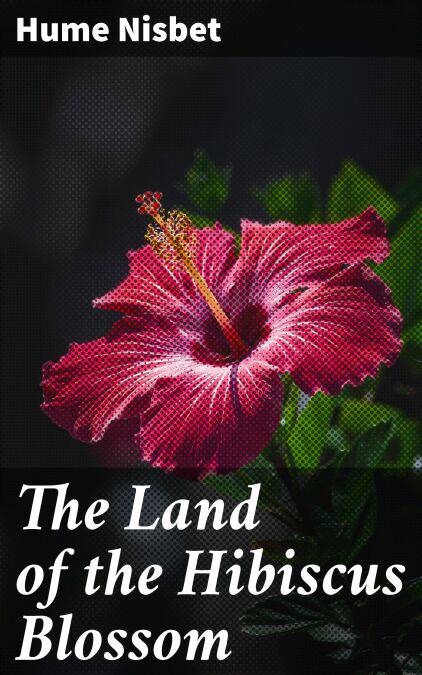
The Land of the Hibiscus Blossom E-BOOK
A Journey Through South Pacific Adventures and Cultural Clashes
Hume Nisbet
E-book | Engels
€ 1,99
+ 1 punten
Uitvoering
Omschrijving
In "The Land of the Hibiscus Blossom," Hume Nisbet masterfully weaves an intricate narrative that explores the cultural and natural landscape of the South Seas through the eyes of a young Australian adventurer. The novel is characterized by its lush, evocative imagery and rich symbolic language, reflecting the beauty and complexity of a world both foreign and enchanting. This work, published in the late 19th century, stands out within the context of colonial literature, shedding light on the intersection of adventure, imperialism, and the sensitivities of indigenous life, while capturing the burgeoning romanticism that pervaded the period. Hume Nisbet, a Scottish-born author and painter, traveled extensively through the South Pacific, an experience that profoundly influenced his writings. His background in art is evident in the vivid descriptive passages throughout the novel, where he encapsulates the tropical scenery and the intricate interplay of light and shadow. Nisbet's keen observations of both the landscapes and its peoples provide a unique lens through which readers can engage with the era's complex dynamics between colonizers and indigenous cultures. This book is highly recommended for those interested in colonial narratives, nature writing, and explorations of identity in a postcolonial context. "The Land of the Hibiscus Blossom" offers readers a captivating journey rife with adventure, cultural introspection, and stunning visual prose, making it an essential addition to the library of anyone seeking to understand the multifaceted relationship between humanity and the natural world.
Specificaties
Betrokkenen
- Auteur(s):
- Uitgeverij:
Inhoud
- Aantal bladzijden:
- 231
- Taal:
- Engels
Eigenschappen
- Productcode (EAN):
- 4066338093288
- Verschijningsdatum:
- 8/11/2021
- Uitvoering:
- E-book
- Beveiligd met:
- Digital watermarking
- Formaat:
- ePub


Alleen bij Standaard Boekhandel
+ 1 punten op je klantenkaart van Standaard Boekhandel
Cadeau

AANGERADEN


Beoordelingen
We publiceren alleen reviews die voldoen aan de voorwaarden voor reviews. Bekijk onze voorwaarden voor reviews.