


- Afhalen na 1 uur in een winkel met voorraad
- Gratis thuislevering in België vanaf € 30
- Ruim aanbod met 7 miljoen producten
- Afhalen na 1 uur in een winkel met voorraad
- Gratis thuislevering in België vanaf € 30
- Ruim aanbod met 7 miljoen producten





€ 64,45
+ 128 punten
Omschrijving
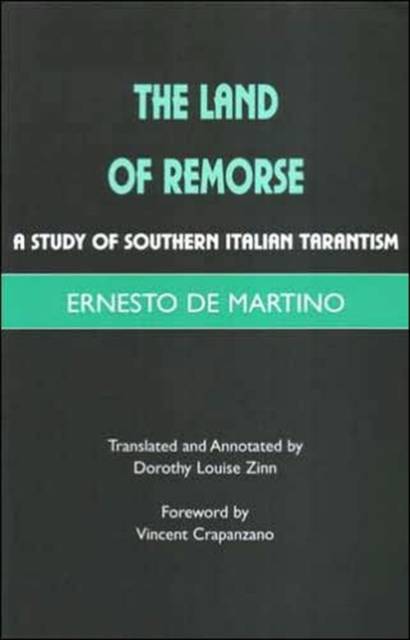
The Land of Remorse (La Terra del Rimorso, first Italian edition 1961) is a classic work by Ernesto De Martino, the founding figure of Italian cultural anthropology and ethnopsychiatry. Based on fieldwork conducted in the Salentine peninsula of Southern Italy in 1959, the study deals with the phenomenon of Apulian tarantism, a form of possession related to the belief in the bite of a mythical tarantula and its ritual cure in the tarantella dance. De Martino draws together the contributions of various specialists who participated in the fieldwork, including a psychologist, a psychiatrist, an ethnomusicologist and a social anthropologist. As both an ethnologist and classically-trained religious historian, the author reviews the fieldwork data through the lens of tarantism's historical analysis. The result is a compassionate and compelling account of tarantism, which no longer appears as mere mental illness or as a "survival" of shamanistic irrationality, but as a product of a cultural
Specificaties
Betrokkenen
- Auteur(s):
- Vertaler(s):
- Uitgeverij:
Inhoud
- Aantal bladzijden:
- 332
- Taal:
- Engels
Eigenschappen
- Productcode (EAN):
- 9781853437847
- Verschijningsdatum:
- 1/08/2005
- Uitvoering:
- Paperback
- Formaat:
- Trade paperback (VS)
- Afmetingen:
- 150 mm x 229 mm
- Gewicht:
- 544 g


Alleen bij Standaard Boekhandel
+ 128 punten op je klantenkaart van Standaard Boekhandel
Cadeau

AANGERADEN


Beoordelingen
We publiceren alleen reviews die voldoen aan de voorwaarden voor reviews. Bekijk onze voorwaarden voor reviews.