


- Afhalen na 1 uur in een winkel met voorraad
- Gratis thuislevering in België vanaf € 30
- Ruim aanbod met 7 miljoen producten
- Afhalen na 1 uur in een winkel met voorraad
- Gratis thuislevering in België vanaf € 30
- Ruim aanbod met 7 miljoen producten





€ 254,45
+ 508 punten
Omschrijving
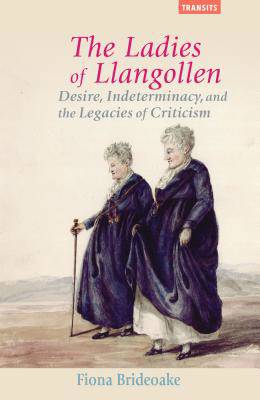
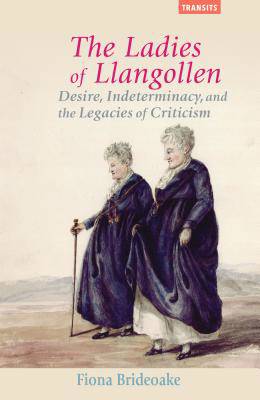
The Ladies of Llangollen is the first book length critical study of Lady Eleanor Butler and Miss Sarah Ponsonby, whose 1778 elopement and five decades of "retirement" turned them into eighteenth century celebrities and pivotal figures in the historiography of female same-sex desire. Debates within the history of sexuality have long foundered over questions of what constitutes "proof" of past sexual desires and practices, and the nature of Butler and Ponsonby's intimacy has been deemed inimical to productive critical consideration. In this ground-breaking study Fiona Brideoake attends to the archive of their shared life--written, performed, and enacted in the vernacular of the everyday--to argue that they embodied an early iteration of female celebrity in which their queerness registered less as the mark of some specified non-normativity than as the effect of their very public, very visible resistance to sexual legibility. Throughout their lives and afterlives, Butler and Ponsonby have been figured as chaste romantic friends, prototypical lesbians, Bluestockings, Romantic domestic archetypes, and proleptically feminist modernists. The Ladies of Langollen demonstrates that this heterogeneous legacy discloses the queerness of their performatively instantiated identities.
Specificaties
Betrokkenen
- Auteur(s):
- Uitgeverij:
Inhoud
- Aantal bladzijden:
- 368
- Taal:
- Engels
- Reeks:
Eigenschappen
- Productcode (EAN):
- 9781611487619
- Verschijningsdatum:
- 6/04/2017
- Uitvoering:
- Hardcover
- Formaat:
- Genaaid
- Afmetingen:
- 157 mm x 231 mm
- Gewicht:
- 716 g


Alleen bij Standaard Boekhandel
+ 508 punten op je klantenkaart van Standaard Boekhandel
Cadeau

AANGERADEN


Beoordelingen
We publiceren alleen reviews die voldoen aan de voorwaarden voor reviews. Bekijk onze voorwaarden voor reviews.