



Je cadeautjes zeker op tijd in huis hebben voor de feestdagen? Kom langs in onze winkels en vind het perfecte geschenk!
- Afhalen na 1 uur in een winkel met voorraad
- Gratis thuislevering in België vanaf € 30
- Ruim aanbod met 7 miljoen producten
Je cadeautjes zeker op tijd in huis hebben voor de feestdagen? Kom langs in onze winkels en vind het perfecte geschenk!
- Afhalen na 1 uur in een winkel met voorraad
- Gratis thuislevering in België vanaf € 30
- Ruim aanbod met 7 miljoen producten





€ 112,95
+ 225 punten
Uitvoering
Omschrijving
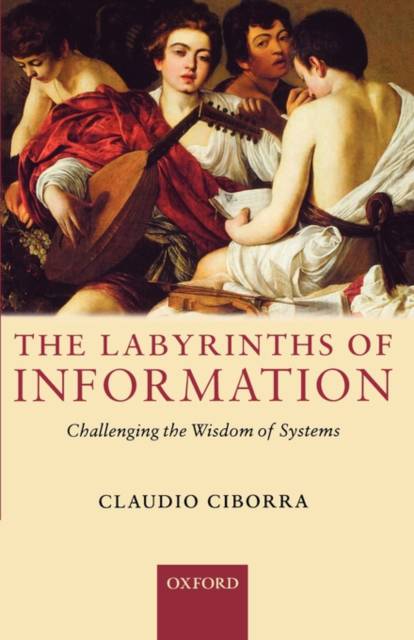
How to use information and communication technologies in organizations and how to manage their impact has been the traditional domain of computer specialists and management consultants. The former have offered multiple ways to represent, model, and build applications that would streamline and accelerate data flows, while the latter have been busy linking the deployment of ICT's with strategy and the redesign of business processes. This book takes quite a different approach altogether. In a series of essays, Ciborra uses a string of metaphors--such as Bricolage, Krisis, Gestall, etc. -- to place a concern for human existence and our working lives at the center of the study of ICTs and their diffusion in business organizations, and looks at our practices, improvisations, and moods. He draws upon his own extensive research and consulting experience to throw a fresh light on some key questions: why are systems ambiguous? Why do they not give us more time to do things? Is there strategic value in tinkering even in high-tech settings? What is the value of age-old practices in dealing with new technologies? What is the role of moods and affections in influencing action and cognition? Labyrinths of Information presents an alternative to the current approaches in management, software-engineering, and strategy that will be of interest to all those concerned with the deployment of ICTs in society today -- whether as users, managers, designers, policy makers or the merely curious.
Specificaties
Betrokkenen
- Auteur(s):
- Uitgeverij:
Inhoud
- Aantal bladzijden:
- 214
- Taal:
- Engels
Eigenschappen
- Productcode (EAN):
- 9780199275267
- Verschijningsdatum:
- 2/12/2004
- Uitvoering:
- Paperback
- Formaat:
- Trade paperback (VS)
- Afmetingen:
- 151 mm x 204 mm
- Gewicht:
- 281 g



Alleen bij Standaard Boekhandel
+ 225 punten op je klantenkaart van Standaard Boekhandel
CADEAU


Beoordelingen
We publiceren alleen reviews die voldoen aan de voorwaarden voor reviews. Bekijk onze voorwaarden voor reviews.