


- Afhalen na 1 uur in een winkel met voorraad
- Gratis thuislevering in België vanaf € 30
- Ruim aanbod met 7 miljoen producten
- Afhalen na 1 uur in een winkel met voorraad
- Gratis thuislevering in België vanaf € 30
- Ruim aanbod met 7 miljoen producten





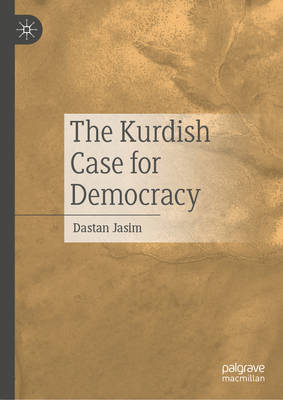
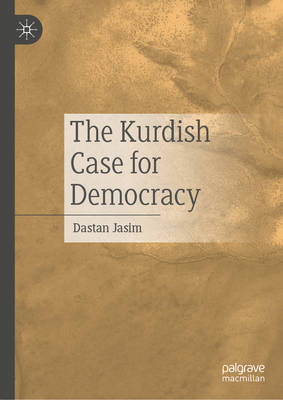
The Kurdish Case for Democracy
Dastan Jasim
€ 151,95
+ 303 punten
Omschrijving
This book asks how democratic values and civic culture can take shape without equal rights, and even without a state. Focusing on the Kurdish experience across Iraq, Iran, Syria, and Turkey, it draws on fieldwork, survey research, and historical analysis to explore how people respond to authoritarian rule and long-term statelessness. The first part offers a data-driven look at Kurdish attitudes toward democracy, autonomy, and authority. The second situates these patterns in a broader history of political resistance. Rather than turning to authoritarian or religious extremes, many Kurdish movements have embraced more egalitarian, inclusive models of resistance. The Kurdish Case for Democracy makes the case for bottom-up democratization in the Middle East and challenges the idea that universal values must follow Eurocentric templates. It contributes to wider debates on nationalism, resistance, and the political cultures shaping the region.
Specificaties
Betrokkenen
- Auteur(s):
- Uitgeverij:
Inhoud
- Aantal bladzijden:
- 260
- Taal:
- Engels
- Reeks:
Eigenschappen
- Productcode (EAN):
- 9783032144720
- Verschijningsdatum:
- 6/07/2026
- Uitvoering:
- Hardcover
- Formaat:
- Genaaid
- Afmetingen:
- 148 mm x 210 mm


Alleen bij Standaard Boekhandel
+ 303 punten op je klantenkaart van Standaard Boekhandel
Cadeau

AANGERADEN


Beoordelingen
We publiceren alleen reviews die voldoen aan de voorwaarden voor reviews. Bekijk onze voorwaarden voor reviews.