


- Afhalen na 1 uur in een winkel met voorraad
- Gratis thuislevering in België vanaf € 30
- Ruim aanbod met 7 miljoen producten
- Afhalen na 1 uur in een winkel met voorraad
- Gratis thuislevering in België vanaf € 30
- Ruim aanbod met 7 miljoen producten





€ 220,45
+ 440 punten
Uitvoering
Omschrijving
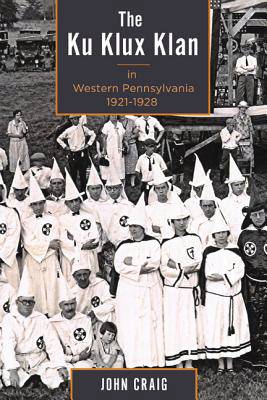
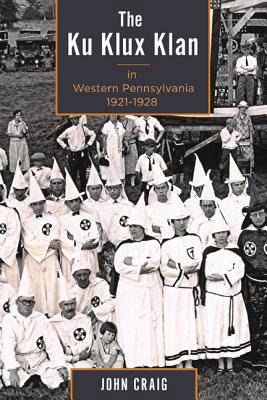
Relying primarily on a narrative, chronological approach, this study examines Ku Klux Klan activities in Pennsylvania's twenty-five western-most counties, where the state organization enjoyed greatest numerical strength. The work covers the period between the Klan's initial appearance in the state in 1921 and its virtual disappearance by 1928, particularly the heyday of the Invisible Empire, 1923-1925. This book examines a wide variety of KKK activities, but devotes special attention to the two large and deadly Klan riots in Carnegie and Lilly, as well as vigilantism associated with the intolerant order. Klansmen were drawn from a pool of ordinary Pennsylvanians who were driven, in part, by the search for fraternity, excitement, and civic betterment. However, their actions were also motivated by sinister, darker emotions and purposes. Disdainful of the rule of law, the Klan sought disorder and mayhem in pursuit of a racist, nativist, anti-Catholic, anti-Jewish agenda.
Specificaties
Betrokkenen
- Auteur(s):
- Uitgeverij:
Inhoud
- Aantal bladzijden:
- 274
- Taal:
- Engels
Eigenschappen
- Productcode (EAN):
- 9781611461640
- Verschijningsdatum:
- 27/10/2014
- Uitvoering:
- Hardcover
- Formaat:
- Genaaid
- Afmetingen:
- 122 mm x 270 mm
- Gewicht:
- 489 g


Alleen bij Standaard Boekhandel
+ 440 punten op je klantenkaart van Standaard Boekhandel
Cadeau

AANGERADEN


Beoordelingen
We publiceren alleen reviews die voldoen aan de voorwaarden voor reviews. Bekijk onze voorwaarden voor reviews.