


- Afhalen na 1 uur in een winkel met voorraad
- Gratis thuislevering in België vanaf € 30
- Ruim aanbod met 7 miljoen producten
- Afhalen na 1 uur in een winkel met voorraad
- Gratis thuislevering in België vanaf € 30
- Ruim aanbod met 7 miljoen producten





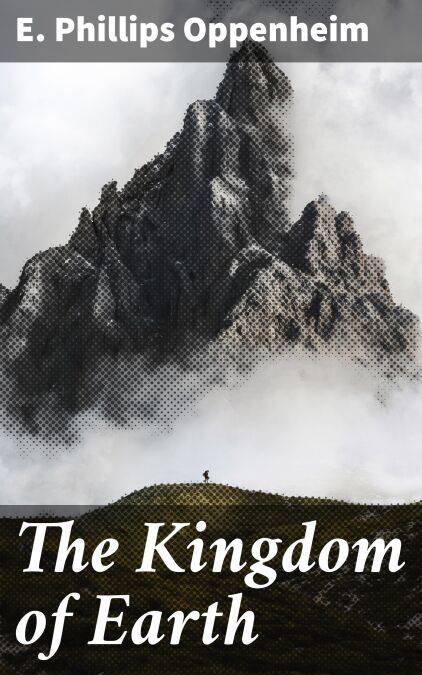
The Kingdom of Earth E-BOOK
Power, wealth, and betrayal in early 20th century England
E. Phillips Oppenheim
E-book | Engels
€ 1,99
+ 1 punten
Omschrijving
E. Phillips Oppenheim's 'The Kingdom of Earth' is a compelling novel that delves into the complexities of power, wealth, and manipulation within a wealthy aristocratic family. Set against the backdrop of early 20th century England, Oppenheim's literary style combines elements of suspense and intrigue, drawing readers into a world of secrets and betrayal. The novel's intricate plot twists and well-developed characters make it a captivating read that offers insight into the social dynamics of the time period. Oppenheim's keen observations on human nature and societal conventions are evident throughout the narrative, making 'The Kingdom of Earth' a timeless classic in the realm of English literature. As a prolific writer of thrillers and espionage novels, Oppenheim's unique storytelling abilities shine in this gripping tale of power struggles and hidden agendas. His expertise in depicting the intricacies of the upper class and their struggles for dominance adds depth and richness to the novel, making it a must-read for fans of historical fiction and mystery genres.
Specificaties
Betrokkenen
- Auteur(s):
- Uitgeverij:
Inhoud
- Aantal bladzijden:
- 175
- Taal:
- Engels
Eigenschappen
- Productcode (EAN):
- 4066338093547
- Verschijningsdatum:
- 8/11/2021
- Uitvoering:
- E-book
- Beveiligd met:
- Digital watermarking
- Formaat:
- ePub



Alleen bij Standaard Boekhandel
+ 1 punten op je klantenkaart van Standaard Boekhandel

Beoordelingen
We publiceren alleen reviews die voldoen aan de voorwaarden voor reviews. Bekijk onze voorwaarden voor reviews.