


- Afhalen na 1 uur in een winkel met voorraad
- Gratis thuislevering in België vanaf € 30
- Ruim aanbod met 7 miljoen producten
- Afhalen na 1 uur in een winkel met voorraad
- Gratis thuislevering in België vanaf € 30
- Ruim aanbod met 7 miljoen producten





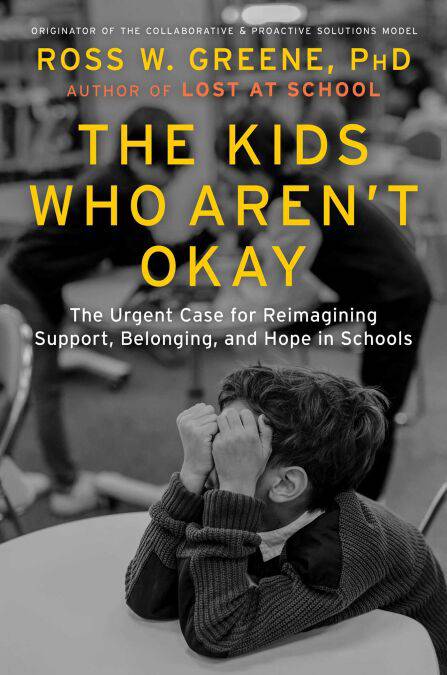
The Kids Who Aren't Okay E-BOOK
The Urgent Case for Reimagining Support, Belonging, and Hope in Schools
Ross W. Greene
E-book | Engels
€ 16,76
+ 16 punten
Uitvoering
Eenvoudig bestellen
Veilig betalen


Onmiddellijk geleverd via e-mail
Omschrijving
From a child psychologist and New York Times bestselling authority on schools comes “a gift to educators who are feeling stuck and overwhelmed...it’s practical, based on the realities teachers face today, but also visionary and hopeful” (Joan Durrant, PhD, Professor Emerita, University of Manitoba).
The Kids Who Aren’t Okay opens with sobering statistics: higher than ever rates of concerning behaviors at school, anxiety, depression, chronic absenteeism, and suicidality. Educators—who have experienced significant decreases in job satisfaction and have left the profession in droves—are looking for answers that take them beyond the standard models of crisis management and behavior modification.
Dr. Ross Greene, renowned for his pioneering work in education and originator of the Collaborative & Proactive Solutions model, has worked in and with schools across the globe for decades. Greene argues that we must renew our focus on developmental variability and meeting every student where they’re at, focusing on problems rather than frustration responses, and solving these problems collaboratively and proactively. Doing so requires us to take a hard look at our structures, practices, and mentalities and make changes that benefit all kids and educators.
Building on the principles introduced in his landmark, bestselling book, Lost at School, Greene equips educators and caregivers with the tools to foster safer, more supportive, inclusive learning environments. Greene provides a clear road map for turning things around, complete with case studies and the voices of educators who’ve done it. The Kids Who Aren’t Okay is a vital resource that “ultimately saves time and effort” (Booklist), providing hope and guidance as schools navigate the new normal.
The Kids Who Aren’t Okay opens with sobering statistics: higher than ever rates of concerning behaviors at school, anxiety, depression, chronic absenteeism, and suicidality. Educators—who have experienced significant decreases in job satisfaction and have left the profession in droves—are looking for answers that take them beyond the standard models of crisis management and behavior modification.
Dr. Ross Greene, renowned for his pioneering work in education and originator of the Collaborative & Proactive Solutions model, has worked in and with schools across the globe for decades. Greene argues that we must renew our focus on developmental variability and meeting every student where they’re at, focusing on problems rather than frustration responses, and solving these problems collaboratively and proactively. Doing so requires us to take a hard look at our structures, practices, and mentalities and make changes that benefit all kids and educators.
Building on the principles introduced in his landmark, bestselling book, Lost at School, Greene equips educators and caregivers with the tools to foster safer, more supportive, inclusive learning environments. Greene provides a clear road map for turning things around, complete with case studies and the voices of educators who’ve done it. The Kids Who Aren’t Okay is a vital resource that “ultimately saves time and effort” (Booklist), providing hope and guidance as schools navigate the new normal.
Specificaties
Betrokkenen
- Auteur(s):
- Uitgeverij:
Inhoud
- Aantal bladzijden:
- 240
- Taal:
- Engels
Eigenschappen
- Productcode (EAN):
- 9781668203972
- Verschijningsdatum:
- 23/02/2026
- Uitvoering:
- E-book
- Beveiligd met:
- Adobe DRM
- Formaat:
- ePub



Alleen bij Standaard Boekhandel
+ 16 punten op je klantenkaart van Standaard Boekhandel
CADEAU

AANGERADEN


Beoordelingen
We publiceren alleen reviews die voldoen aan de voorwaarden voor reviews. Bekijk onze voorwaarden voor reviews.