



- Afhalen na 1 uur in een winkel met voorraad
- In januari gratis thuislevering in België
- Ruim aanbod met 7 miljoen producten
- Afhalen na 1 uur in een winkel met voorraad
- In januari gratis thuislevering in België
- Ruim aanbod met 7 miljoen producten




€ 103,45
+ 206 punten
Omschrijving
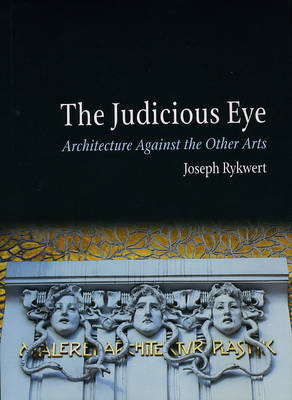
Is architecture art? This vexed question has been posed since the 1700s, when--breaking from earlier centuries in which there were no divisions between visual artist, architect, and engineer--architects and laypeople alike began to see these vocations as distinct. Exploring how this separation of roles occurred, and how in the twentieth century arts and architecture started to come together again, The Judicious Eye is the definitive history of the relationships between painting, sculpture, and architecture as they have shifted over the past three centuries.
Joseph Rykwert locates the first major shift during the Enlightenment, when key philosophers drew implied and explicit distinctions between the visual arts and architecture. As time progressed, architects came to see themselves as part of an established profession, while visual artists increasingly moved toward society's margins, deepening the chasm between them. Detailing the eventual attempts to heal this breach, Rykwert concludes in the mid-twentieth century, when the artistic avant-garde turned to architects in its battle against a stagnant society. The Judicious Eye, then, provides a necessary foundation for understanding architecture and visual art in the twenty-first century, as they continue to break new ground by growing closer to their intertwined roots.
Joseph Rykwert locates the first major shift during the Enlightenment, when key philosophers drew implied and explicit distinctions between the visual arts and architecture. As time progressed, architects came to see themselves as part of an established profession, while visual artists increasingly moved toward society's margins, deepening the chasm between them. Detailing the eventual attempts to heal this breach, Rykwert concludes in the mid-twentieth century, when the artistic avant-garde turned to architects in its battle against a stagnant society. The Judicious Eye, then, provides a necessary foundation for understanding architecture and visual art in the twenty-first century, as they continue to break new ground by growing closer to their intertwined roots.
Specificaties
Betrokkenen
- Auteur(s):
- Uitgeverij:
Inhoud
- Aantal bladzijden:
- 432
- Taal:
- Engels
Eigenschappen
- Productcode (EAN):
- 9780226732619
- Verschijningsdatum:
- 1/11/2007
- Uitvoering:
- Hardcover
- Formaat:
- Ongenaaid / garenloos gebonden
- Afmetingen:
- 182 mm x 232 mm
- Gewicht:
- 1329 g


Alleen bij Standaard Boekhandel
+ 206 punten op je klantenkaart van Standaard Boekhandel
Cadeau

AANGERADEN


Beoordelingen
We publiceren alleen reviews die voldoen aan de voorwaarden voor reviews. Bekijk onze voorwaarden voor reviews.