



- Afhalen na 1 uur in een winkel met voorraad
- In januari gratis thuislevering in België
- Ruim aanbod met 7 miljoen producten
- Afhalen na 1 uur in een winkel met voorraad
- In januari gratis thuislevering in België
- Ruim aanbod met 7 miljoen producten





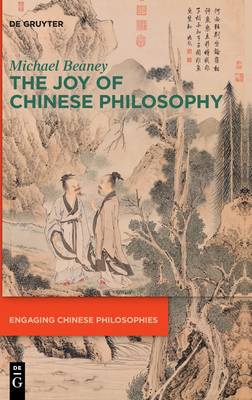
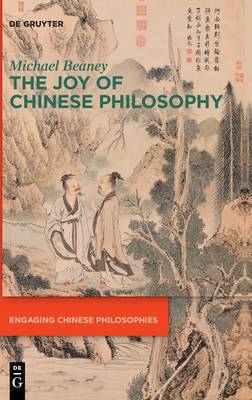
The Joy of Chinese Philosophy
Michael Beaney
€ 102,45
+ 204 punten
Omschrijving
This book introduces some central ideas and themes in ancient Chinese philosophy through a detailed analysis of one famous passage - the happy fish dialogue - in the Zhuangzi, one of the two founding texts of Daoism. The Zhuangzi is the most exhilarating and intellectually challenging of all the texts of ancient Chinese literature, and appreciating its spirit is as important as understanding its ideas. Methodologically, this book shows how we can approach Chinese philosophy analytically, an approach that is needed if Chinese philosophy is to be recognized in Western (analytic) philosophy today. At the same time, it seeks to broaden our conceptions and practices of analysis and our methods and styles of philosophizing in learning from Chinese philosophy. Throughout the book the emphasis is on engaging the reader in thinking through the issues for themselves.
Specificaties
Betrokkenen
- Auteur(s):
- Uitgeverij:
Inhoud
- Aantal bladzijden:
- 186
- Taal:
- Engels
- Reeks:
- Reeksnummer:
- nr. 1
Eigenschappen
- Productcode (EAN):
- 9783111567075
- Verschijningsdatum:
- 4/12/2025
- Uitvoering:
- Hardcover
- Formaat:
- Genaaid
- Afmetingen:
- 156 mm x 234 mm
- Gewicht:
- 444 g


Alleen bij Standaard Boekhandel
+ 204 punten op je klantenkaart van Standaard Boekhandel
Cadeau

AANGERADEN


Beoordelingen
We publiceren alleen reviews die voldoen aan de voorwaarden voor reviews. Bekijk onze voorwaarden voor reviews.