


- Afhalen na 1 uur in een winkel met voorraad
- Gratis thuislevering in België vanaf € 30
- Ruim aanbod met 7 miljoen producten
- Afhalen na 1 uur in een winkel met voorraad
- Gratis thuislevering in België vanaf € 30
- Ruim aanbod met 7 miljoen producten





Omschrijving
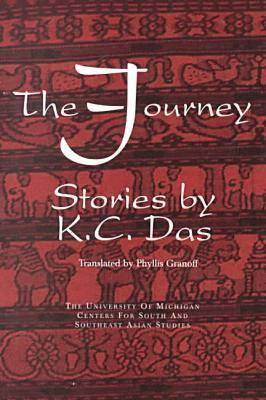
K. C. Das is deservedly one of the most celebrated writers in India today. He writes primarily in Oriya, the language of his native state of Orissa, where he was born in 1924. A civil servant by profession, Das pursued a second career as a writer of stories, poems, and essays. The stories in this collection take place in an urban setting. The characters are mainly middle class, making them more accessible to North American readers than other examples of contemporary Indian fiction. These are not simple stories. They are about "divides," about gaps between realities and imagination. In complex shifts between direct dialogue, interior monologue, and interior or imagined dialogue, Das lovingly but mercilessly exposes his characters' thoughts, self-deceptions, and the games they play with each other. These are stories about human weaknesses, the fallibility of human relationships, and the strategies we adopt to cope with our failures. They are about coming to terms with unpleasant, sometimes shocking truths about ourselves and others.
Specificaties
Betrokkenen
- Auteur(s):
- Vertaler(s):
- Uitgeverij:
Inhoud
- Aantal bladzijden:
- 156
- Taal:
- Engels
- Reeks:
- Reeksnummer:
- nr. 48
Eigenschappen
- Productcode (EAN):
- 9780891480815
- Verschijningsdatum:
- 1/01/2000
- Uitvoering:
- Paperback
- Formaat:
- Trade paperback (VS)
- Afmetingen:
- 154 mm x 228 mm
- Gewicht:
- 226 g


Alleen bij Standaard Boekhandel
+ 67 punten op je klantenkaart van Standaard Boekhandel
Cadeau

AANGERADEN


Beoordelingen
We publiceren alleen reviews die voldoen aan de voorwaarden voor reviews. Bekijk onze voorwaarden voor reviews.