


- Afhalen na 1 uur in een winkel met voorraad
- Gratis thuislevering in België vanaf € 30
- Ruim aanbod met 7 miljoen producten
- Afhalen na 1 uur in een winkel met voorraad
- Gratis thuislevering in België vanaf € 30
- Ruim aanbod met 7 miljoen producten





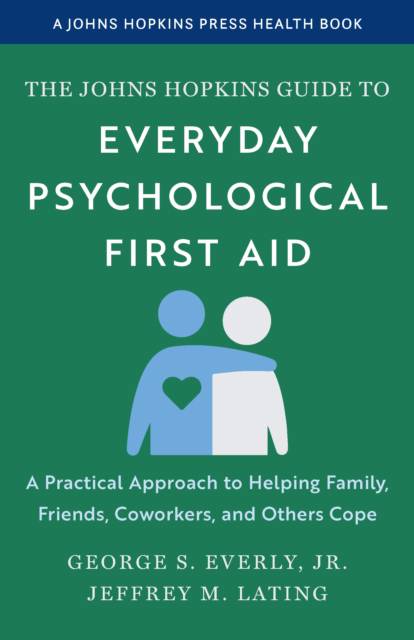
The Johns Hopkins Guide to Everyday Psychological First Aid
A Practical Approach to Helping Family, Friends, Coworkers, and Others Cope
George S Everly, Jeffrey M Lating
€ 35,45
+ 70 punten
Uitvoering
Omschrijving
The Johns Hopkins Guide to Everyday Psychological First Aid equips readers with the tools to respond effectively and compassionately to emotional crises-whether they unfold in a home, workplace, school, or public setting. Based on decades of research, experience, and real-world examples, George S. Everly, Jr, and Jeffrey M. Lating present a streamlined, accessible version of the Johns Hopkins RAPID model of psychological first aid, designed specifically for everyday use by adults without formal training in mental health. This guide empowers people to step in when someone is struggling-to listen, stabilize apparent distress, and offer effective, meaningful support. Offering advice and practical coping techniques for a variety of situations-like helping a stranger in a moment of panic or responding to the grief of a friend-the scenarios and checklists throughout the book help readers navigate some of life's most difficult moments with clarity and care. This practical manual speaks to a world facing rising anxiety, loneliness, trauma, and loss by offering a simple, evidence-informed method for fostering resilience and restoring connection. Everly and Lating emphasize that while no one can say the perfect thing in a crisis, everyone can learn how to offer compassion and help when it matters most. By making psychological first aid as accessible as physical first aid, this guide acts as an essential toolkit for being there when someone needs you most.
Specificaties
Betrokkenen
- Auteur(s):
- Uitgeverij:
Inhoud
- Aantal bladzijden:
- 344
- Taal:
- Engels
- Reeks:
Eigenschappen
- Productcode (EAN):
- 9781421453835
- Verschijningsdatum:
- 23/12/2025
- Uitvoering:
- Paperback
- Formaat:
- Trade paperback (VS)
- Afmetingen:
- 142 mm x 216 mm
- Gewicht:
- 421 g


Alleen bij Standaard Boekhandel
+ 70 punten op je klantenkaart van Standaard Boekhandel
Cadeau

AANGERADEN


Beoordelingen
We publiceren alleen reviews die voldoen aan de voorwaarden voor reviews. Bekijk onze voorwaarden voor reviews.