


- Afhalen na 1 uur in een winkel met voorraad
- Gratis thuislevering in België vanaf € 30
- Ruim aanbod met 7 miljoen producten
- Afhalen na 1 uur in een winkel met voorraad
- Gratis thuislevering in België vanaf € 30
- Ruim aanbod met 7 miljoen producten





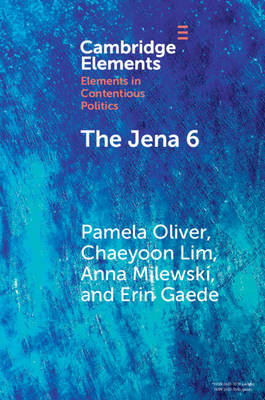
The Jena 6
Of Nooses, Fights, Narratives, and Movement Building
Pamela Oliver, Chaeyoon Lim, Anna Milewski
€ 36,45
+ 72 punten
Uitvoering
Omschrijving
Tens of thousands of mostly younger Black people went to rural Louisiana in 2007 to support the Jena 6, Black students who were overcharged after a school fight. We examine the construction of two narratives. The powerful Jena 6 narrative told how the conflict began when nooses were hung on the school grounds, linking historic racial violence to modern injustice. This narrative emphasized student agency and downplayed documented adult actions. A second narrative about organizing the campaign incorrectly said that existing organizations had ignored the case. We use published sources to trace the ordinary processes as activists, journalists, and organizations became involved in the campaign through three phases - regional organizing, nationalization, scale shift to cascade. In the last phase, many saw this as a historic reinvigoration of the Black movement. Circulating narratives inspired participation by stressing youthful agency and spontaneity. More accurate accounts are better for theory and action.
Specificaties
Betrokkenen
- Auteur(s):
- Uitgeverij:
Inhoud
- Aantal bladzijden:
- 84
- Taal:
- Engels
- Reeks:
Eigenschappen
- Productcode (EAN):
- 9781009669023
- Verschijningsdatum:
- 21/05/2026
- Uitvoering:
- Paperback
- Formaat:
- Trade paperback (VS)
- Afmetingen:
- 152 mm x 229 mm
- Gewicht:
- 122 g


Alleen bij Standaard Boekhandel
+ 72 punten op je klantenkaart van Standaard Boekhandel
Cadeau

AANGERADEN


Beoordelingen
We publiceren alleen reviews die voldoen aan de voorwaarden voor reviews. Bekijk onze voorwaarden voor reviews.