


- Afhalen na 1 uur in een winkel met voorraad
- Gratis thuislevering in België vanaf € 30
- Ruim aanbod met 7 miljoen producten
- Afhalen na 1 uur in een winkel met voorraad
- Gratis thuislevering in België vanaf € 30
- Ruim aanbod met 7 miljoen producten





Omschrijving
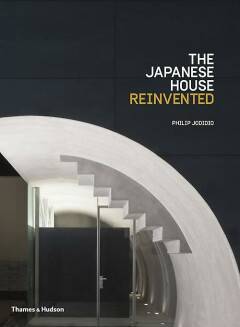
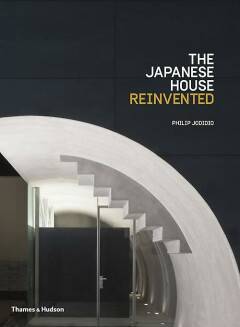
Japanese houses today have to contend with unique factors that condition their design, from tiny plots in crowded urban contexts to ever-present seismic threats. These challenges encourage their architects to explore alternating ideas of stability and ephemerality in various ways, resulting in spaces that are as fascinating as they are idiosyncratic. Their formal innovation and attention to materials, technology and measures to coax in light and air while maintaining domestic privacy make them cutting-edge residences that suggest new ways of being at home. Contemporary Japanese architecture has emerged as a substantial force on the international scene ever since Kenzo Tange won the Pritzker Prize in 1987. This overview of 50 recent houses powerfully demonstrates Japans enduring commitment to design innovation.
Specificaties
Betrokkenen
- Auteur(s):
- Uitgeverij:
Inhoud
- Aantal bladzijden:
- 304
- Taal:
- Engels
Eigenschappen
- Productcode (EAN):
- 9780500343081
- Verschijningsdatum:
- 12/05/2015
- Uitvoering:
- Hardcover
- Afmetingen:
- 200 mm x 278 mm
- Gewicht:
- 1600 g


Alleen bij Standaard Boekhandel
+ 101 punten op je klantenkaart van Standaard Boekhandel
AANGERADEN


Beoordelingen
We publiceren alleen reviews die voldoen aan de voorwaarden voor reviews. Bekijk onze voorwaarden voor reviews.