


- Afhalen na 1 uur in een winkel met voorraad
- Gratis thuislevering in België vanaf € 30
- Ruim aanbod met 7 miljoen producten
- Afhalen na 1 uur in een winkel met voorraad
- Gratis thuislevering in België vanaf € 30
- Ruim aanbod met 7 miljoen producten





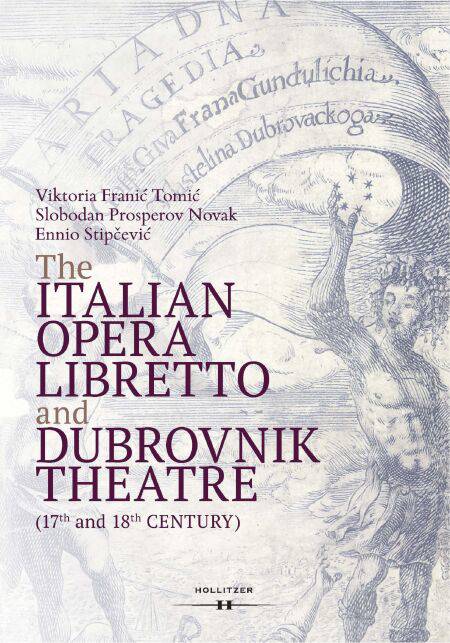
The Italian Opera Libretto and Dubrovnik Theatre E-BOOK
(17th and 18th Century)
Viktoria Franić Tomić, Slobodan Prosperov Novak, Ennio Stipčević
E-book | Engels
€ 39,99
+ 39 punten
Omschrijving
Nowhere in Europe the Italian opera libretto has had such a direct and decisive influence on original national drama production as it did in Dubrovnik during the 17th and 18th century. In the "Golden Age of Croatian Literature", a hybrid drama genre was created.
For more than a century, authors of this genre looked attentively at the most important trends of Italian opera production and followed them faithfully. In Croatian literature of that period, a specific model of libretti without music was created, one that appropriated the Italian libretto. These plays were not performed along with functional music, although sometimes authors and actors would provide instrumental accompaniment to the texts.
Nothing more needs to be said about the dissemination and specific reception of Italian opera libretti in Dubrovnik during the 17th and 18th century to be understood as occupying a noteworthy place in the cultural life of Europe.
For more than a century, authors of this genre looked attentively at the most important trends of Italian opera production and followed them faithfully. In Croatian literature of that period, a specific model of libretti without music was created, one that appropriated the Italian libretto. These plays were not performed along with functional music, although sometimes authors and actors would provide instrumental accompaniment to the texts.
Nothing more needs to be said about the dissemination and specific reception of Italian opera libretti in Dubrovnik during the 17th and 18th century to be understood as occupying a noteworthy place in the cultural life of Europe.
Specificaties
Betrokkenen
- Auteur(s):
- Uitgeverij:
Inhoud
- Aantal bladzijden:
- 136
- Taal:
- Engels
Eigenschappen
- Productcode (EAN):
- 9783990127995
- Verschijningsdatum:
- 19/04/2020
- Uitvoering:
- E-book
- Beveiligd met:
- Digital watermarking
- Formaat:


Alleen bij Standaard Boekhandel
+ 39 punten op je klantenkaart van Standaard Boekhandel
Cadeau

AANGERADEN


Beoordelingen
We publiceren alleen reviews die voldoen aan de voorwaarden voor reviews. Bekijk onze voorwaarden voor reviews.