


- Afhalen na 1 uur in een winkel met voorraad
- Gratis thuislevering in België vanaf € 30
- Ruim aanbod met 7 miljoen producten
- Afhalen na 1 uur in een winkel met voorraad
- Gratis thuislevering in België vanaf € 30
- Ruim aanbod met 7 miljoen producten





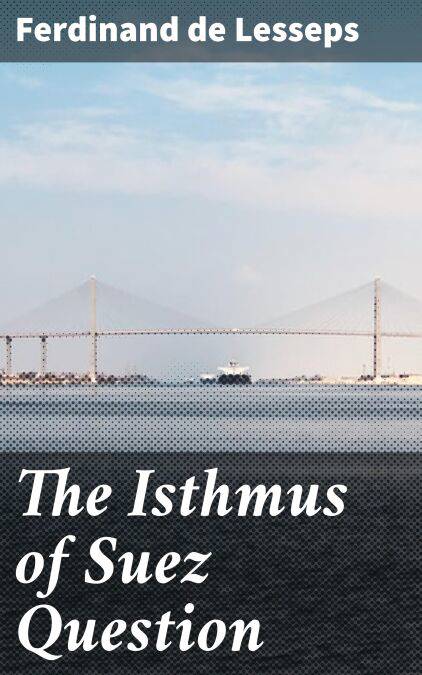
The Isthmus of Suez Question E-BOOK
Navigating Geopolitics and Commerce: Unraveling the Legacy of the Suez Canal
Ferdinand de Lesseps
E-book | Engels
€ 0,99
Omschrijving
In "The Isthmus of Suez Question," Ferdinand de Lesseps offers an intricate analysis of the geopolitical and economic implications surrounding the construction of the Suez Canal, a monumental engineering feat that revolutionized global trade routes. De Lesseps's narrative is characterized by a blend of persuasive rhetoric and meticulous detail, as he lays out the diverse challenges and opportunities posed by linking the Mediterranean and Red Seas. This work stands as a vital piece within the context of 19th-century imperialist endeavors, contributing significantly to discussions on colonial expansion, international trade, and infrastructure development. Ferdinand de Lesseps, a French diplomat and engineer, is renowned for his pioneering role in the construction of the Suez Canal, which was completed in 1869. His lifelong interest in international cooperation and his background in diplomacy positioned him uniquely to address the complexities of this project. De Lesseps'Äôs firsthand experiences provided him with invaluable insights into the cultural and political landscapes of the regions affected, fueling his passion and resolve to make the Suez Canal a reality, despite considerable opposition. Readers with an interest in engineering, colonial history, or global economics will find "The Isthmus of Suez Question" an enlightening exploration of the interplay between ambition and geopolitics. De Lesseps'Äôs compelling arguments and historical perspective make this text not just a documentary of a construction project but a profound commentary on the era's transformative ambitions, worthy of both scholarly study and casual readership.
Specificaties
Betrokkenen
- Auteur(s):
- Uitgeverij:
Inhoud
- Aantal bladzijden:
- 217
- Taal:
- Engels
Eigenschappen
- Productcode (EAN):
- 4064066181994
- Verschijningsdatum:
- 11/12/2019
- Uitvoering:
- E-book
- Beveiligd met:
- Digital watermarking
- Formaat:
- ePub



Alleen bij Standaard Boekhandel
Cadeau

AANGERADEN


Beoordelingen
We publiceren alleen reviews die voldoen aan de voorwaarden voor reviews. Bekijk onze voorwaarden voor reviews.