


- Afhalen na 1 uur in een winkel met voorraad
- Gratis thuislevering in België vanaf € 30
- Ruim aanbod met 7 miljoen producten
- Afhalen na 1 uur in een winkel met voorraad
- Gratis thuislevering in België vanaf € 30
- Ruim aanbod met 7 miljoen producten




€ 5,77
+ 5 punten
Uitvoering
Omschrijving
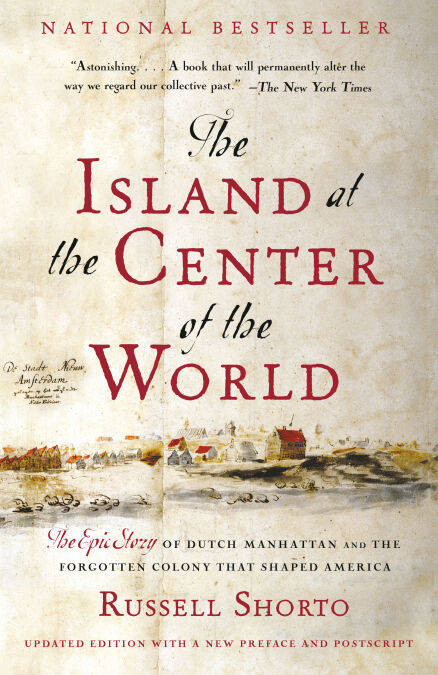
In a riveting, groundbreaking narrative, Russell Shorto tells the story of New Netherland, the Dutch colony which pre-dated the Pilgrims and established ideals of tolerance and individual rights that shaped American history.
UPDATED EDITION WITH A NEW PREFACE AND POSTSCRIPT
"Astonishing . . . A book that will permanently alter the way we regard our collective past." --The New York Times
When the British wrested New Amsterdam from the Dutch in 1664, the truth about its thriving, polyglot society began to disappear into myths about an island purchased for 24 dollars and a cartoonish peg-legged governor. But the story of the Dutch colony of New Netherland was merely lost, not destroyed: 12,000 pages of its records–recently declared a national treasure–are now being translated. Russell Shorto draws on this remarkable archive in The Island at the Center of the World, which has been hailed by The New York Times as “a book that will permanently alter the way we regard our collective past.”
The Dutch colony pre-dated the “original” thirteen colonies, yet it seems strikingly familiar. Its capital was cosmopolitan and multi-ethnic, and its citizens valued free trade, individual rights, and religious freedom. Their champion was a progressive, young lawyer named Adriaen van der Donck, who emerges in these pages as a forgotten American patriot and whose political vision brought him into conflict with Peter Stuyvesant, the autocratic director of the Dutch colony. The struggle between these two strong-willed men laid the foundation for New York City and helped shape American culture. The Island at the Center of the World uncovers a lost world and offers a surprising new perspective on our own.
UPDATED EDITION WITH A NEW PREFACE AND POSTSCRIPT
"Astonishing . . . A book that will permanently alter the way we regard our collective past." --The New York Times
When the British wrested New Amsterdam from the Dutch in 1664, the truth about its thriving, polyglot society began to disappear into myths about an island purchased for 24 dollars and a cartoonish peg-legged governor. But the story of the Dutch colony of New Netherland was merely lost, not destroyed: 12,000 pages of its records–recently declared a national treasure–are now being translated. Russell Shorto draws on this remarkable archive in The Island at the Center of the World, which has been hailed by The New York Times as “a book that will permanently alter the way we regard our collective past.”
The Dutch colony pre-dated the “original” thirteen colonies, yet it seems strikingly familiar. Its capital was cosmopolitan and multi-ethnic, and its citizens valued free trade, individual rights, and religious freedom. Their champion was a progressive, young lawyer named Adriaen van der Donck, who emerges in these pages as a forgotten American patriot and whose political vision brought him into conflict with Peter Stuyvesant, the autocratic director of the Dutch colony. The struggle between these two strong-willed men laid the foundation for New York City and helped shape American culture. The Island at the Center of the World uncovers a lost world and offers a surprising new perspective on our own.
Specificaties
Betrokkenen
- Auteur(s):
- Uitgeverij:
Inhoud
- Aantal bladzijden:
- 416
- Taal:
- Engels
Eigenschappen
- Productcode (EAN):
- 9781400096336
- Verschijningsdatum:
- 11/04/2005
- Uitvoering:
- E-book
- Beveiligd met:
- Adobe DRM
- Formaat:
- ePub


Alleen bij Standaard Boekhandel
+ 5 punten op je klantenkaart van Standaard Boekhandel
Cadeau

AANGERADEN


Beoordelingen
We publiceren alleen reviews die voldoen aan de voorwaarden voor reviews. Bekijk onze voorwaarden voor reviews.