


- Afhalen na 1 uur in een winkel met voorraad
- Gratis thuislevering in België vanaf € 30
- Ruim aanbod met 7 miljoen producten
- Afhalen na 1 uur in een winkel met voorraad
- Gratis thuislevering in België vanaf € 30
- Ruim aanbod met 7 miljoen producten





€ 124,45
+ 248 punten
Uitvoering
Omschrijving
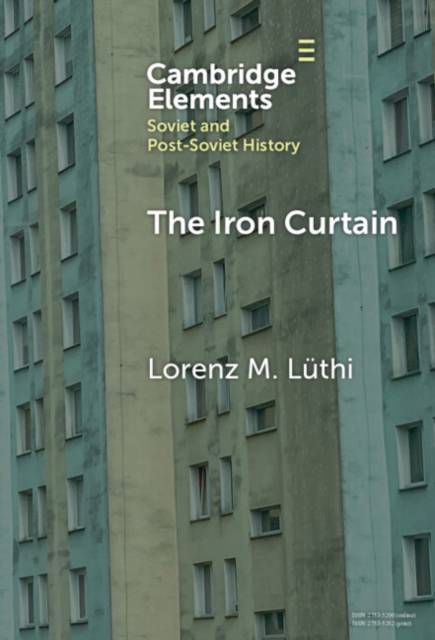
The Iron Curtain remains an iconic representation of the Cold War. But what was it really on the ground? Fortified borders to prevent citizens from leaving emerged first in the interwar USSR and then in socialist post-WW II Europe. Fortifications occurred both at borders between socialist states and at their external boundaries to the non-socialist world, but not in all cases. The most well-known case - the Berlin Wall - was both an extreme example as well as a latecomer. But since 1947, Yugoslavia, Hungary, and Czechoslovakia had fortified their borders to prevent exit. When East Germany started to build walls around West Berlin and at its borders to West Germany in the 1960s, Yugoslavia was already dismantling its border regime and Hungary was granting passports and exit visas to its citizens. Fortified borders also appeared at external borders in northern and southeastern Europe, in the Caucasus, and in Asia.
Specificaties
Betrokkenen
- Auteur(s):
- Uitgeverij:
Inhoud
- Aantal bladzijden:
- 86
- Taal:
- Engels
- Reeks:
Eigenschappen
- Productcode (EAN):
- 9781009712781
- Verschijningsdatum:
- 30/04/2026
- Uitvoering:
- Hardcover
- Formaat:
- Genaaid
- Afmetingen:
- 152 mm x 229 mm
- Gewicht:
- 285 g


Alleen bij Standaard Boekhandel
+ 248 punten op je klantenkaart van Standaard Boekhandel
Cadeau

AANGERADEN


Beoordelingen
We publiceren alleen reviews die voldoen aan de voorwaarden voor reviews. Bekijk onze voorwaarden voor reviews.