

- Afhalen na 1 uur in een winkel met voorraad
- Gratis thuislevering in België vanaf € 30
- Ruim aanbod met 7 miljoen producten
- Afhalen na 1 uur in een winkel met voorraad
- Gratis thuislevering in België vanaf € 30
- Ruim aanbod met 7 miljoen producten





Omschrijving
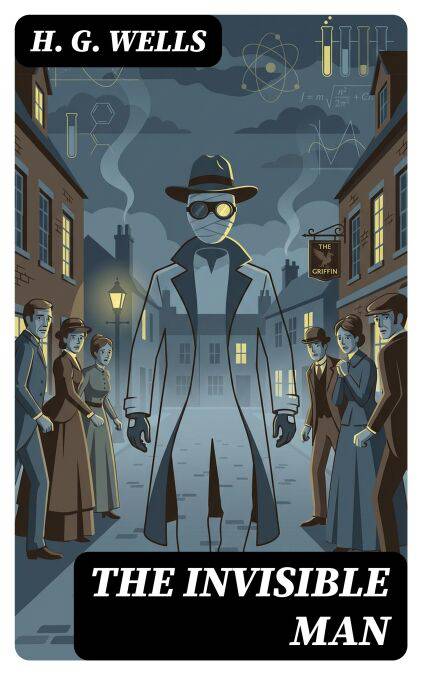
H. G. Wells' "The Invisible Man" stands as a cornerstone of speculative fiction, weaving a tale of scientific ambition and existential dread. With its masterful blend of horror and social commentary, the novel employs vivid imagery and an engaging narrative style to explore the consequences of unchecked ambition. Wells deftly navigates the tension between the pursuit of knowledge and its ethical ramifications, effectively situating the story within the broader context of Victorian anxieties about science and the individual's role in society. As the protagonist, Griffin, descends into madness, Wells raises poignant questions about identity, morality, and the human condition, situating this work firmly within the literary traditions of both Gothic fiction and early science fiction. H. G. Wells, known as the father of modern science fiction, drew upon his background in biology and deep interest in current scientific advancements to craft this cautionary tale. His experiences during the late 19th century, a time marked by rapid technological progress and societal change, inspired him to explore the darker possibilities inherent in human innovation. Wells' unique perspective as a socialist also informs the social critique woven throughout the narrative, making it a reflective commentary on the power dynamics of his era. Readers are encouraged to delve into "The Invisible Man" not only for its thrilling plot but also for its profound philosophical reflections. As a significant work in the canon of science fiction, this novel invites readers to contemplate the implications of invisibility—both literal and metaphorical—while challenging them to confront their own understanding of what it means to be truly visible in a rapidly evolving world.
In this enriched edition, we have carefully created added value for your reading experience:
- A succinct Introduction situates the work's timeless appeal and themes.
- The Synopsis outlines the central plot, highlighting key developments without spoiling critical twists.
- A detailed Historical Context immerses you in the era's events and influences that shaped the writing.
- An Author Biography reveals milestones in the author's life, illuminating the personal insights behind the text.
- A thorough Analysis dissects symbols, motifs, and character arcs to unearth underlying meanings.
- Reflection questions prompt you to engage personally with the work's messages, connecting them to modern life.
- Hand‐picked Memorable Quotes shine a spotlight on moments of literary brilliance.
- Interactive footnotes clarify unusual references, historical allusions, and archaic phrases for an effortless, more informed read.
In this enriched edition, we have carefully created added value for your reading experience:
- A succinct Introduction situates the work's timeless appeal and themes.
- The Synopsis outlines the central plot, highlighting key developments without spoiling critical twists.
- A detailed Historical Context immerses you in the era's events and influences that shaped the writing.
- An Author Biography reveals milestones in the author's life, illuminating the personal insights behind the text.
- A thorough Analysis dissects symbols, motifs, and character arcs to unearth underlying meanings.
- Reflection questions prompt you to engage personally with the work's messages, connecting them to modern life.
- Hand‐picked Memorable Quotes shine a spotlight on moments of literary brilliance.
- Interactive footnotes clarify unusual references, historical allusions, and archaic phrases for an effortless, more informed read.
Specificaties
Betrokkenen
- Auteur(s):
- Uitgeverij:
Inhoud
- Aantal bladzijden:
- 109
- Taal:
- Engels
Eigenschappen
- Productcode (EAN):
- 8596547762997
- Verschijningsdatum:
- 23/12/2023
- Uitvoering:
- E-book
- Beveiligd met:
- Digital watermarking
- Formaat:
- ePub


Alleen bij Standaard Boekhandel
Wedstrijd


Beoordelingen
We publiceren alleen reviews die voldoen aan de voorwaarden voor reviews. Bekijk onze voorwaarden voor reviews.