


- Afhalen na 1 uur in een winkel met voorraad
- Gratis thuislevering in België vanaf € 30
- Ruim aanbod met 7 miljoen producten
- Afhalen na 1 uur in een winkel met voorraad
- Gratis thuislevering in België vanaf € 30
- Ruim aanbod met 7 miljoen producten





€ 77,45
+ 154 punten
Omschrijving
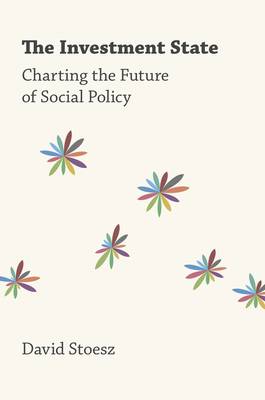
Historically, the welfare state of the 20th century, which was built on the foundation of an industrial economy, seems poorly adapted to a 21st-century information age. Socially, profound demographic shifts--especially an aging population, increasing numbers of women in the labor force, and surging immigration--pose challenges for traditional programs. Economically, the legacy of social entitlements, which has been addressed through deficit spending, is untenable insofar as they squeeze out essential discretionary programs. Politically, the demise of the Left, signified by Brexit, the election of Donald Trump to the presidency, and less successful populist movements in Europe and Australia, continues a conservative vector in social policy. The confluence of these factors increases the likelihood of reform of a nation's social infrastructure. The Investment State provides a template for future social policy, which can be adapted to cities, states, nations, and international trade agreements. It serves as a sequel to the author's previous book, The Dynamic Welfare State (OUP, 2016)--which included a theory of welfare state decline--by envisioning a new paradigm for social programs.
Specificaties
Betrokkenen
- Auteur(s):
- Uitgeverij:
Inhoud
- Aantal bladzijden:
- 208
- Taal:
- Engels
Eigenschappen
- Productcode (EAN):
- 9780190864835
- Verschijningsdatum:
- 7/09/2018
- Uitvoering:
- Hardcover
- Formaat:
- Genaaid
- Afmetingen:
- 160 mm x 239 mm
- Gewicht:
- 439 g


Alleen bij Standaard Boekhandel
+ 154 punten op je klantenkaart van Standaard Boekhandel
Cadeau

AANGERADEN


Beoordelingen
We publiceren alleen reviews die voldoen aan de voorwaarden voor reviews. Bekijk onze voorwaarden voor reviews.