



Bedankt voor het vertrouwen het afgelopen jaar! Om jou te bedanken bieden we GRATIS verzending (in België) aan op alles gedurende de hele maand januari.
- Afhalen na 1 uur in een winkel met voorraad
- In januari gratis thuislevering in België
- Ruim aanbod met 7 miljoen producten
Bedankt voor het vertrouwen het afgelopen jaar! Om jou te bedanken bieden we GRATIS verzending (in België) aan op alles gedurende de hele maand januari.
- Afhalen na 1 uur in een winkel met voorraad
- In januari gratis thuislevering in België
- Ruim aanbod met 7 miljoen producten





Omschrijving
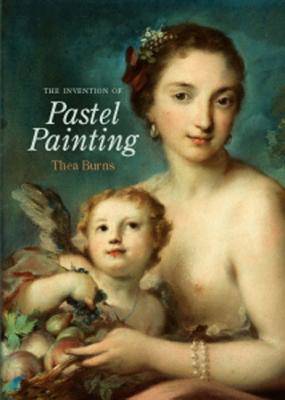
Chalks and pastels are particularly appropriate materials for portraits because they appear effortlessly to convey the warm tones and soft, matte velvety surface of skin. Portraits and head studies therefore figure prominently in histories of pastel. The Invention of Pastel Painting describes the relatively sudden emergence in the later seventeenth century of sets of friable pastel sticks and a new artistic practice of painting in pastel. The author reconsiders the use of natural and fabricated drawing sticks as tools, firmly locating their use in the context of historical function. 'Artistic techniques have a social history; they are signs endowed with cultural meaning by society.' The visual, documentary and etymological evidence does not support the concept of a narrative history of pastel gradually progressing from a 'simple' original state in the drawings of Leonardo da Vinci, Jean and Francois Clouet and the Dumonstiers to an increasingly richly coloured and technically complex visual record in the paintings of Robert Nanteuil, Joseph Vivien and Rosalba Carriera, and then continuing to evolve through the nineteenth century. In considering the history of chalk and pastel, the author argues that the change is aesthetic, not formal, and is grounded in social function and technical response. She has drawn not only on artists' letters and accounts, documents, critical and theoretical writings, and, broadly, the secondary literature, but also on close visual examination and scientific analysis of selected chalk drawings and paintings in pastel, particularly those created between 1500 and 1750.
Specificaties
Betrokkenen
- Auteur(s):
- Uitgeverij:
Inhoud
- Aantal bladzijden:
- 244
- Taal:
- Engels
Eigenschappen
- Productcode (EAN):
- 9781904982128
- Verschijningsdatum:
- 31/12/2025
- Uitvoering:
- Hardcover
- Formaat:
- Genaaid
- Afmetingen:
- 183 mm x 246 mm
- Gewicht:
- 848 g


Alleen bij Standaard Boekhandel
+ 403 punten op je klantenkaart van Standaard Boekhandel
SOLDEN


Beoordelingen
We publiceren alleen reviews die voldoen aan de voorwaarden voor reviews. Bekijk onze voorwaarden voor reviews.