


- Afhalen na 1 uur in een winkel met voorraad
- Gratis thuislevering in België vanaf € 30
- Ruim aanbod met 7 miljoen producten
- Afhalen na 1 uur in een winkel met voorraad
- Gratis thuislevering in België vanaf € 30
- Ruim aanbod met 7 miljoen producten





€ 91,95
+ 183 punten
Omschrijving
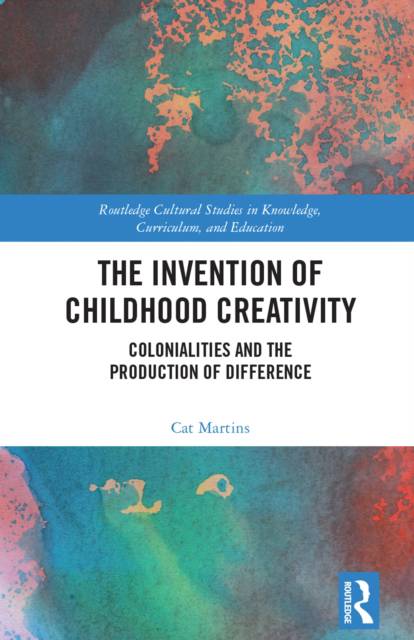
This text offers a comprehensive analysis of the concept of the modern creative and imaginative child in Western education. Drawing on archived sources and historical works, it reframes childhood creativity as a social, cultural, and scientific construction, asking how our thinking and acting toward the creative child have been produced historically. The text dissects the discursive construction of creativity as a natural and developmental attribute of the child. It argues that the idea of the White creative child, constructed through comparative reasoning, shaped by primitivism, and illustrated through botanical metaphors as close to nature and the senses, is a notion embedded with colonialities, forming part of a Western civilizing project and entrenched power-knowledge relations. A compelling and original account of childhood creativity, this text will appeal to researchers in arts education, early childhood education, curriculum studies, and the history of education.
Specificaties
Betrokkenen
- Auteur(s):
- Uitgeverij:
Inhoud
- Aantal bladzijden:
- 202
- Taal:
- Engels
- Reeks:
Eigenschappen
- Productcode (EAN):
- 9781032727820
- Verschijningsdatum:
- 22/05/2026
- Uitvoering:
- Paperback
- Formaat:
- Trade paperback (VS)
- Afmetingen:
- 152 mm x 229 mm
- Gewicht:
- 299 g


Alleen bij Standaard Boekhandel
+ 183 punten op je klantenkaart van Standaard Boekhandel
Cadeau

AANGERADEN


Beoordelingen
We publiceren alleen reviews die voldoen aan de voorwaarden voor reviews. Bekijk onze voorwaarden voor reviews.