


- Afhalen na 1 uur in een winkel met voorraad
- Gratis thuislevering in België vanaf € 30
- Ruim aanbod met 7 miljoen producten
- Afhalen na 1 uur in een winkel met voorraad
- Gratis thuislevering in België vanaf € 30
- Ruim aanbod met 7 miljoen producten





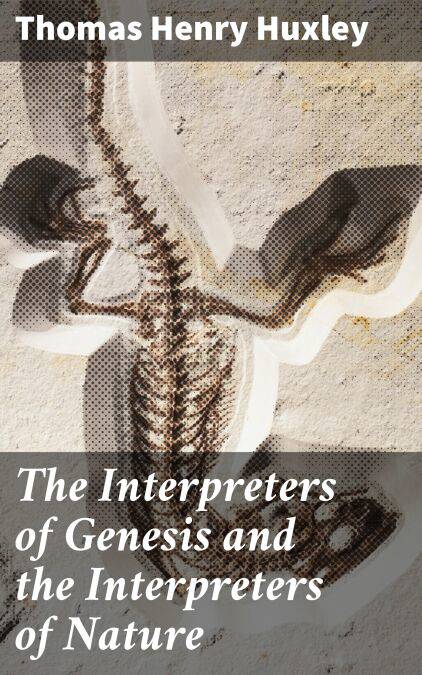
The Interpreters of Genesis and the Interpreters of Nature E-BOOK
Essay #4 from "Science and Hebrew Tradition"
Thomas Henry Huxley
E-book | Engels
€ 0,49
€ 0,99
Uitvoering
Omschrijving
In "The Interpreters of Genesis and the Interpreters of Nature," Thomas Henry Huxley navigates the complex interplay between scientific inquiry and religious interpretation. This seminal work critically examines various approaches to understanding the origins of humanity as portrayed in biblical texts and contrasts them with emerging scientific perspectives of the 19th century. Huxley employs a rigorous, analytical style, advocating for a naturalistic interpretation of evolution and the natural world while challenging the dogmatic stances of his contemporaries. The book is situated in the context of the Victorian crisis of faith, reflecting the tensions inherent in reconciling scientific discovery with traditional theological views. Thomas Henry Huxley, often revered as 'ÄòDarwin'Äôs Bulldog'Äô for his staunch defense of Charles Darwin's theories, was deeply influenced by the rapid advancements in biology and paleontology during his lifetime. His background in both science and philosophy positioned him uniquely to grapple with these fundamental questions. Huxley'Äôs own struggles with faith and belief fuel his inquiry, demonstrating the intellectual fervor that characterized the scientific debates of his era. This thought-provoking work is essential for anyone interested in the foundational dialogues surrounding science and religion. Huxley'Äôs balanced and scholarly approach not only invites readers to reconsider their interpretations of both Genesis and nature but also remains highly relevant in contemporary discussions about the coexistence of faith and scientific reasoning.
Specificaties
Betrokkenen
- Auteur(s):
- Uitgeverij:
Inhoud
- Aantal bladzijden:
- 112
- Taal:
- Engels
Eigenschappen
- Productcode (EAN):
- 4064066104191
- Verschijningsdatum:
- 15/03/2020
- Uitvoering:
- E-book
- Beveiligd met:
- Digital watermarking
- Formaat:
- ePub


Alleen bij Standaard Boekhandel
Cadeau

AANGERADEN


Beoordelingen
We publiceren alleen reviews die voldoen aan de voorwaarden voor reviews. Bekijk onze voorwaarden voor reviews.