


- Afhalen na 1 uur in een winkel met voorraad
- Gratis thuislevering in België vanaf € 30
- Ruim aanbod met 7 miljoen producten
- Afhalen na 1 uur in een winkel met voorraad
- Gratis thuislevering in België vanaf € 30
- Ruim aanbod met 7 miljoen producten





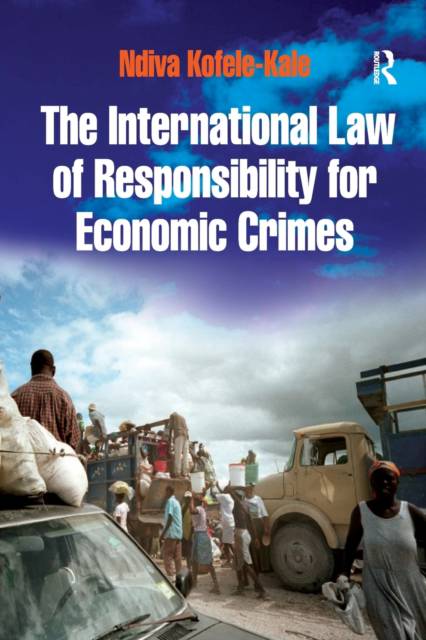
The International Law of Responsibility for Economic Crimes
Holding State Officials Individually Liable for Acts of Fraudulent Enrichment
Ndiva Kofele-Kale
Paperback | Engels
€ 91,95
+ 183 punten
Uitvoering
Omschrijving
The problem of indigenous spoliation in developing countries is thoroughly explored in this second edition of The International Law of Responsibility for Economic Crimes. Substantially revised and updated to take account of recent legal and political developments, a case for indigenous spoliation as a violation of international law is persuasively
Specificaties
Betrokkenen
- Auteur(s):
- Uitgeverij:
Inhoud
- Aantal bladzijden:
- 424
- Taal:
- Engels
Eigenschappen
- Productcode (EAN):
- 9780367603953
- Verschijningsdatum:
- 30/06/2020
- Uitvoering:
- Paperback
- Formaat:
- Trade paperback (VS)
- Afmetingen:
- 156 mm x 234 mm
- Gewicht:
- 589 g


Alleen bij Standaard Boekhandel
+ 183 punten op je klantenkaart van Standaard Boekhandel
Cadeau

AANGERADEN


Beoordelingen
We publiceren alleen reviews die voldoen aan de voorwaarden voor reviews. Bekijk onze voorwaarden voor reviews.