



Er zijn problemen bij het activeren van e-books. Daardoor kan het langer duren voor je aangekochte e-books beschikbaar zijn. Je ontvangt automatisch bericht van zodra dat het geval is.
- Afhalen na 1 uur in een winkel met voorraad
- In januari gratis thuislevering in België
- Ruim aanbod met 7 miljoen producten
Er zijn problemen bij het activeren van e-books. Daardoor kan het langer duren voor je aangekochte e-books beschikbaar zijn. Je ontvangt automatisch bericht van zodra dat het geval is.
- Afhalen na 1 uur in een winkel met voorraad
- In januari gratis thuislevering in België
- Ruim aanbod met 7 miljoen producten

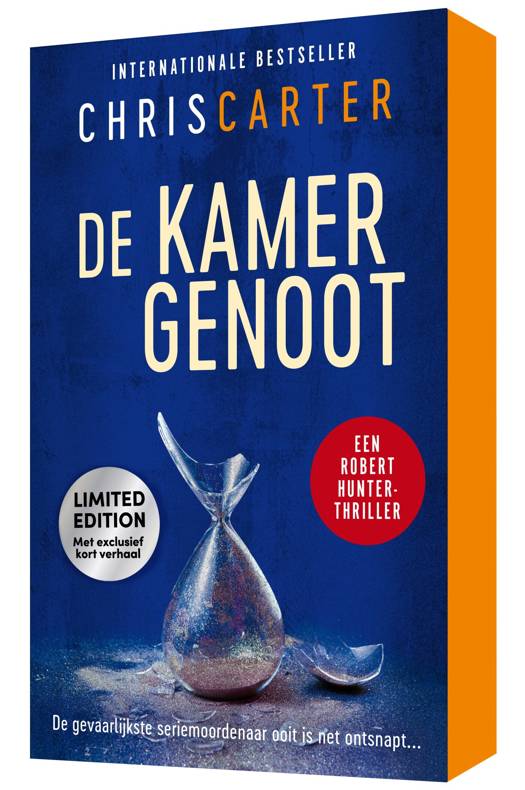



The International Law of Environmental Impact Assessment
Process, Substance and Integration
Neil Craik
€ 153,95
Uitvoering
Omschrijving
The central idea animating environmental impact assessment (EIA) is that decisions affecting the environment should be made through a comprehensive evaluation of predicted impacts. Notwithstanding their evaluative mandate, EIA processes do not impose specific environmental standards, but rely on the creation of open, participatory and information rich decision-making settings to bring about environmentally benign outcomes. In light of this tension between process and substance, Neil Craik assesses whether EIA, as a method of implementing international environmental law, is a sound policy strategy, and how international EIA commitments structure transnational interactions in order to influence decisions affecting the international environment. Through a comprehensive description of international EIA commitments and their implementation with domestic and transnational governance structures, and drawing on specific examples of transnational EIA processes, the author examines how international EIA commitments can facilitate interest coordination, and provide opportunities for persuasion and for the internalisation of international environmental norms.
Specificaties
Betrokkenen
- Auteur(s):
- Uitgeverij:
Inhoud
- Aantal bladzijden:
- 358
- Taal:
- Engels
- Reeks:
- Reeksnummer:
- nr. 58
Eigenschappen
- Productcode (EAN):
- 9780521879453
- Verschijningsdatum:
- 21/02/2008
- Uitvoering:
- Hardcover
- Formaat:
- Genaaid
- Afmetingen:
- 166 mm x 232 mm
- Gewicht:
- 689 g


Alleen bij Standaard Boekhandel
Cadeau

AANGERADEN


Beoordelingen
We publiceren alleen reviews die voldoen aan de voorwaarden voor reviews. Bekijk onze voorwaarden voor reviews.