



- Afhalen na 1 uur in een winkel met voorraad
- In januari gratis thuislevering in België
- Ruim aanbod met 7 miljoen producten
- Afhalen na 1 uur in een winkel met voorraad
- In januari gratis thuislevering in België
- Ruim aanbod met 7 miljoen producten





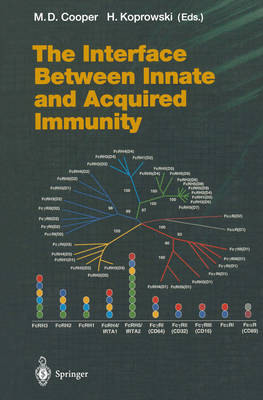
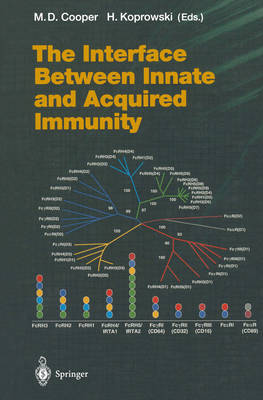
The Interface Between Innate and Acquired Immunity
€ 139,95
+ 279 punten
Omschrijving
All multicellular organisms may possess innate immunity mediated by defense mechanisms with which the organism is born. In recent years much has been learned about the diversity of innate immune mechanisms. A large array of naturally produced antimicrobial peptides has been de fined. A variety of cell surface receptors that recognize common patterns displayed by infectious organisms have been identified along with the intracellular pathways that these receptors use to activate cellular defense functions. Cell surface receptors on natural killer (NK) cells have been shown to sense microbial invasion in neighboring cells, thereby setting into motion their elimination by cy totoxic mechanisms. Other receptors have been found to facilitate phagocytosis and intracellular killing of microbes by phagocytic cells. These and other natural defense mechanisms have traditionally been viewed as the first line of body defense in vertebrate species that also possess the capacity for acquired or adaptive immunity. Sharks and all of the other jawed vertebrates generate large repertoires of T and B lymphocyte clones that display different antigen specific receptors in the form ofT cell receptors (TCR) and immunoglobulins (Ig) that allow them to recognize and respond to antigens in collaboration with antigen-present ing cells. Memory T and B cells are then generated to allow faster and heightened cellular and humoral immune re sponses on secondary antigen encounter. In recent years it has also become obvious that innate immune responses can directly influence adaptive immune responses in ways that will enhance body defense.
Specificaties
Betrokkenen
- Uitgeverij:
Inhoud
- Aantal bladzijden:
- 118
- Taal:
- Engels
- Reeks:
- Reeksnummer:
- nr. 266
Eigenschappen
- Productcode (EAN):
- 9783642076824
- Verschijningsdatum:
- 1/12/2010
- Uitvoering:
- Paperback
- Afmetingen:
- 155 mm x 235 mm
- Gewicht:
- 219 g

Alleen bij Standaard Boekhandel
+ 279 punten op je klantenkaart van Standaard Boekhandel
Cadeau

AANGERADEN


Beoordelingen
We publiceren alleen reviews die voldoen aan de voorwaarden voor reviews. Bekijk onze voorwaarden voor reviews.