


- Afhalen na 1 uur in een winkel met voorraad
- Gratis thuislevering in België vanaf € 30
- Ruim aanbod met 7 miljoen producten
- Afhalen na 1 uur in een winkel met voorraad
- Gratis thuislevering in België vanaf € 30
- Ruim aanbod met 7 miljoen producten





€ 100,95
+ 201 punten
Uitvoering
Omschrijving
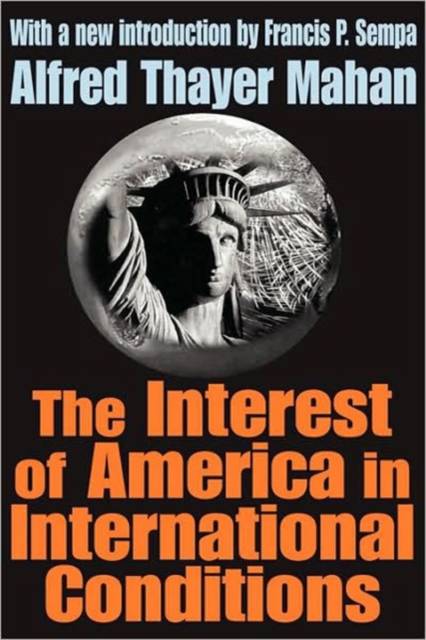
Four years before the outbreak of the First World War, Alfred Thayer Mahan, the world famous naval historian and strategist, warned of the approaching conflict in The Interest of America in International Conditions. Mahan's geo-historical approach compared Imperial Germany's early twentieth-century quest for hegemony to previous attempts by Napoleon's France, Louis XIV's France, and the Austrian and Spanish Hapsburgs to upset the European balance of power. Each previous bid for hegemony brought forth a coalition of powers that restored the balance of power. Mahan foresaw in the early twentieth century that a new coalition of powers, including Britain, France, Russia, and the United States, would be needed to prevent German domination of the continent.
Specificaties
Betrokkenen
- Auteur(s):
- Uitgeverij:
Inhoud
- Aantal bladzijden:
- 122
- Taal:
- Engels
Eigenschappen
- Productcode (EAN):
- 9780765805256
- Verschijningsdatum:
- 31/08/2003
- Uitvoering:
- Paperback
- Formaat:
- Trade paperback (VS)
- Afmetingen:
- 142 mm x 231 mm
- Gewicht:
- 358 g



Alleen bij Standaard Boekhandel
+ 201 punten op je klantenkaart van Standaard Boekhandel
CADEAU

AANGERADEN


Beoordelingen
We publiceren alleen reviews die voldoen aan de voorwaarden voor reviews. Bekijk onze voorwaarden voor reviews.