


- Afhalen na 1 uur in een winkel met voorraad
- Gratis thuislevering in België vanaf € 30
- Ruim aanbod met 7 miljoen producten
- Afhalen na 1 uur in een winkel met voorraad
- Gratis thuislevering in België vanaf € 30
- Ruim aanbod met 7 miljoen producten





€ 29,99
+ 59 punten
Omschrijving
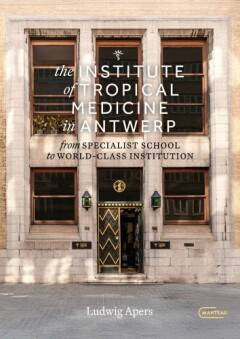
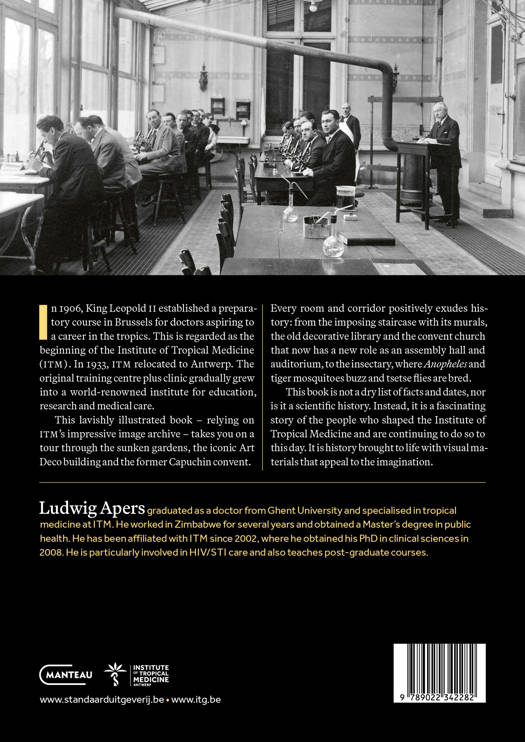
In 1906, King Leopold II established a preparatory course in Brussels for doctors aspiring to a career in the tropics. This is regarded as the beginning of the Institute of Tropical Medicine (itm). In 1933, itm relocated to Antwerp. The original training centre plus clinic gradually grew into a world-renowned institute for education, research and medical care.This lavishly illustrated book – relying on itm’s impressive image archive – takes you on a tour through the sunken gardens, the iconic Art Deco building and the former Capuchin convent. Every room and corridor positively exudes history: from the imposing staircase with its murals, the old decorative library and the convent church that now has a new role as an assembly hall and auditorium, to the insectary, where Anopheles and tiger mosquitoes buzz and tsetse flies are bred.This book is not a dry list of facts and dates, nor is it a scientific history. Instead, it is a fascinating story of the people who shaped the Institute of Tropical Medicine and are continuing to do so to this day. It is history brought to life with visual materials that appeal to the imagination.
Specificaties
Betrokkenen
- Auteur(s):
- Uitgeverij:
Inhoud
- Aantal bladzijden:
- 288
- Taal:
- Engels
Eigenschappen
- Productcode (EAN):
- 9789022342282
- Verschijningsdatum:
- 17/02/2026
- Uitvoering:
- Paperback
- Afmetingen:
- 172 mm x 241 mm
- Gewicht:
- 788 g


Alleen bij Standaard Boekhandel
+ 59 punten op je klantenkaart van Standaard Boekhandel
Cadeau

AANGERADEN


Beoordelingen
We publiceren alleen reviews die voldoen aan de voorwaarden voor reviews. Bekijk onze voorwaarden voor reviews.