


- Afhalen na 1 uur in een winkel met voorraad
- Gratis thuislevering in België vanaf € 30
- Ruim aanbod met 7 miljoen producten
- Afhalen na 1 uur in een winkel met voorraad
- Gratis thuislevering in België vanaf € 30
- Ruim aanbod met 7 miljoen producten




€ 20,95
+ 41 punten
Omschrijving
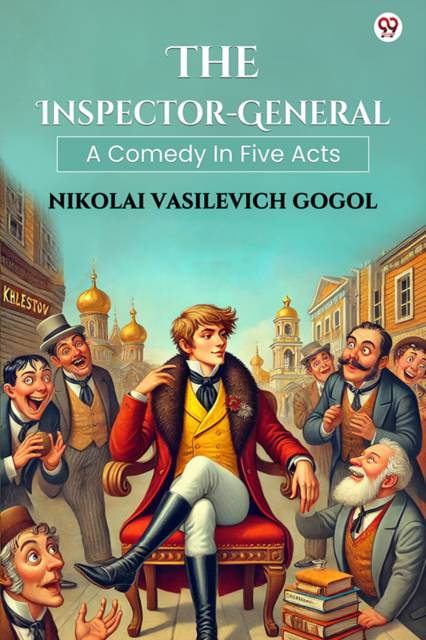
The Inspector-General: A Comedy In Five Acts is a comedic play, set in a small Russian provincial town. The narrative follows the comedic confusion surrounding a low-ranking government clerk, who is mistaken for an important inspector. The corrupt officials, terrified of being exposed for their incompetence and dishonesty, begin to overcompensate by showering the supposed inspector with unwarranted praise and attention. This leads to a series of absurd interactions, showcasing the clash between appearances and reality. The play explores the flaws in governmental systems, the nature of corruption, and the tendency of individuals to inflate their importance in order to gain power or favor. At the heart of the story is the mockery of bureaucracy, where the superficiality of the officials is highlighted, creating a humorous but biting commentary on the ineffectiveness and dishonesty of authority figures. The opening sets the tone for the chaos that follows as the officials scramble to cover their tracks while the protagonist, who is unqualified for such a position, is treated as though he holds ultimate authority, emphasizing the farcical nature of the events.
Specificaties
Betrokkenen
- Auteur(s):
- Uitgeverij:
Inhoud
- Aantal bladzijden:
- 86
- Taal:
- Engels
Eigenschappen
- Productcode (EAN):
- 9789370819795
- Verschijningsdatum:
- 1/04/2025
- Uitvoering:
- Paperback
- Formaat:
- Trade paperback (VS)
- Afmetingen:
- 140 mm x 216 mm
- Gewicht:
- 108 g


Alleen bij Standaard Boekhandel
+ 41 punten op je klantenkaart van Standaard Boekhandel
CADEAU


Beoordelingen
We publiceren alleen reviews die voldoen aan de voorwaarden voor reviews. Bekijk onze voorwaarden voor reviews.