Standaard Boekhandel gebruikt cookies en gelijkaardige technologieën om de website goed te laten werken en je een betere surfervaring te bezorgen.
Hieronder kan je kiezen welke cookies je wilt inschakelen:
Technische en functionele cookies
Deze cookies zijn essentieel om de website goed te laten functioneren, en laten je toe om bijvoorbeeld in te loggen. Je kan deze cookies niet uitschakelen.
Analytische cookies
Deze cookies verzamelen anonieme informatie over het gebruik van onze website. Op die manier kunnen we de website beter afstemmen op de behoeften van de gebruikers.
Marketingcookies
Deze cookies delen je gedrag op onze website met externe partijen, zodat je op externe platformen relevantere advertenties van Standaard Boekhandel te zien krijgt.
Bedankt voor het vertrouwen het afgelopen jaar! Om jou te bedanken bieden we GRATIS verzending (in België) aan op alles gedurende de hele maand januari.
Afhalen na 1 uur in een winkel met voorraad
In januari gratis thuislevering in België
Ruim aanbod met 7 miljoen producten
Bedankt voor het vertrouwen het afgelopen jaar! Om jou te bedanken bieden we GRATIS verzending (in België) aan op alles gedurende de hele maand januari.
Je kan maximaal 250 producten tegelijk aan je winkelmandje toevoegen. Verwijdere enkele producten uit je winkelmandje, of splits je bestelling op in meerdere bestellingen.
In januari gratis thuislevering in België (via bpost)
Gratis levering in je Standaard Boekhandel
Omschrijving
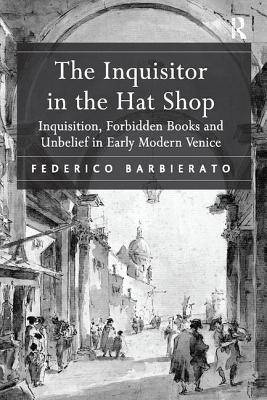
Early modern Venice was an exceptional city. Located at the intersection of trade routes and cultural borders, it teemed with visitors, traders, refugees and intellectuals. It is perhaps unsurprising, then, that such a city should foster groups and individuals of unorthodox beliefs, whose views and life styles would bring them into conflict with the secular and religious authorities. Drawing on a vast store of primary sources - particularly those of the Inquisition - this book recreates the social fabric of Venice between 1640 and 1740. It brings back to life a wealth of minor figures who inhabited the city, and fostered ideas of dissent, unbelief and atheism in the teeth of the Counter-Reformation. The book vividly paints a scene filled with craftsmen, friars and priests, booksellers, apothecaries and barbers, bustling about the city spaces of sociability, between coffee-houses and workshops, apothecaries' and barbers' shops, from the pulpit and drawing rooms, or simply publicly speaking about their ideas. To give depth to the cases identified, the author overlays a number of contextual themes, such as the survival of Protestant (or crypto-Protestant) doctrines, the political situation at any given time, and the networks of dissenting groups that flourished within the city, such as the 'free metaphysicists' who gathered in the premises of the hatter Bortolo Zorzi. In so doing this rich and thought provoking book provides a systematic overview of how Venetian ecclesiastical institutions dealt with the sheer diffusion of heterodox and atheistical ideas at different social levels. It will be of interest not only to scholars of Venice, but all those with an interest in the intellectual, cultural and religious history of early-modern Europe.