


- Afhalen na 1 uur in een winkel met voorraad
- Gratis thuislevering in België vanaf € 30
- Ruim aanbod met 7 miljoen producten
- Afhalen na 1 uur in een winkel met voorraad
- Gratis thuislevering in België vanaf € 30
- Ruim aanbod met 7 miljoen producten





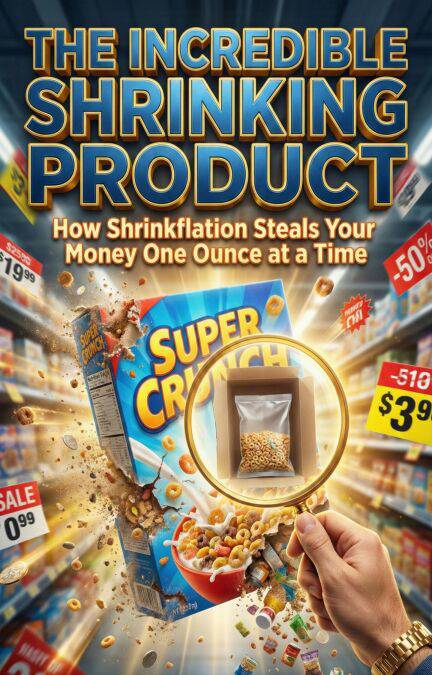
The Incredible Shrinking Product E-BOOK
How Shrinkflation Steals Your Money One Ounce at a Time
Maya Lin
E-book | Engels
€ 4,99
+ 4 punten
Omschrijving
Have you noticed that your candy bar feels lighter, or that there are fewer chips in the bag? You aren't imagining it. Consumer advocate Maya Lin exposes the tactic of "Shrinkflation" in "The Incredible Shrinking Product." Facing rising raw material costs, companies quietly reduce the size or quality of a product while keeping the price the same, betting that consumers are too busy to notice.
Lin documents the most egregious examples, from toilet paper rolls becoming narrower to ice cream cartons changing shape to hide the volume loss. She explains the psychology behind "Just Noticeable Difference" (Weber's Law), which marketers use to calculate exactly how much they can cut before customers revolt.
The book is a guide to spotting these stealth price hikes and understanding the broader economic forces at play. Lin argues that shrinkflation is a form of gaslighting that erodes trust in the marketplace. She empowers readers to vote with their wallets by looking at the "price per unit" rather than the package price.
Lin documents the most egregious examples, from toilet paper rolls becoming narrower to ice cream cartons changing shape to hide the volume loss. She explains the psychology behind "Just Noticeable Difference" (Weber's Law), which marketers use to calculate exactly how much they can cut before customers revolt.
The book is a guide to spotting these stealth price hikes and understanding the broader economic forces at play. Lin argues that shrinkflation is a form of gaslighting that erodes trust in the marketplace. She empowers readers to vote with their wallets by looking at the "price per unit" rather than the package price.


Alleen bij Standaard Boekhandel
+ 4 punten op je klantenkaart van Standaard Boekhandel
AANGERADEN


Beoordelingen
We publiceren alleen reviews die voldoen aan de voorwaarden voor reviews. Bekijk onze voorwaarden voor reviews.