


- Afhalen na 1 uur in een winkel met voorraad
- Gratis thuislevering in België vanaf € 30
- Ruim aanbod met 7 miljoen producten
- Afhalen na 1 uur in een winkel met voorraad
- Gratis thuislevering in België vanaf € 30
- Ruim aanbod met 7 miljoen producten





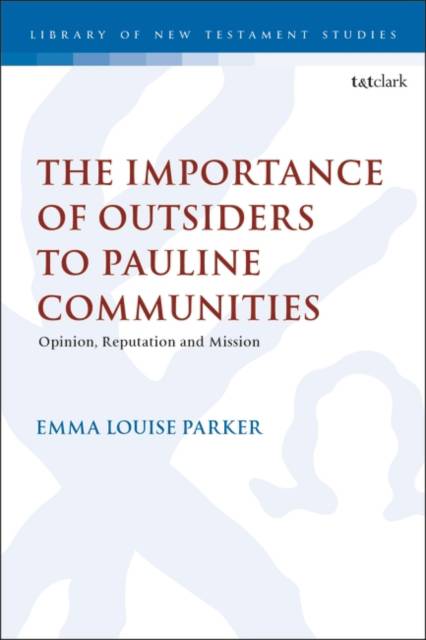
The Importance of Outsiders to Pauline Communities
Opinion, Reputation and Mission
Emma Louise Parker
€ 67,95
+ 135 punten
Eenvoudig bestellen
Veilig betalen


Gratis thuislevering vanaf € 30 (via bpost)
Gratis levering in je Standaard Boekhandel
Omschrijving
This book argues that, despite Paul's often dramatic and critical descriptions of non-Christians, his letters reveal a deep concern for the presence of outsiders and for their opinion of Christians. Parker suggests that outsiders are enormously important to Paul: they determine whether Christian communities dwindle or thrive, while also playing a key role in helping such communities to understand and shape their purpose as missional disciples, develop their thinking and practice around normal daily events and relationships - and even shape how they understand God.
Parker offers a careful exegesis of the main texts within the Pauline corpus, revealing a sensitivity to the outsider; including 1 Thessalonians, Romans, 1 Corinthians and the Pastoral Epistles. By using Social Identity Theory she explores key concepts of group boundaries, identity and inter-group relations, highlighting a theme which is significant in Paul's own thought: the importance of similarity between groups. Whilst not denying the counter-cultural identity of the new Christian communities, Parker concludes that Paul reveals the areas of overlap between insiders and outsiders, since these areas not only create opportunities for positive opinions and relationships but also point to a greater understanding of God.Specificaties
Betrokkenen
- Auteur(s):
- Uitgeverij:
Inhoud
- Aantal bladzijden:
- 208
- Taal:
- Engels
- Reeks:
Eigenschappen
- Productcode (EAN):
- 9780567713841
- Verschijningsdatum:
- 11/12/2025
- Uitvoering:
- Paperback
- Formaat:
- Trade paperback (VS)
- Afmetingen:
- 156 mm x 234 mm
- Gewicht:
- 299 g



Alleen bij Standaard Boekhandel
+ 135 punten op je klantenkaart van Standaard Boekhandel
CADEAU

AANGERADEN


Beoordelingen
We publiceren alleen reviews die voldoen aan de voorwaarden voor reviews. Bekijk onze voorwaarden voor reviews.