


- Afhalen na 1 uur in een winkel met voorraad
- Gratis thuislevering in België vanaf € 30
- Ruim aanbod met 7 miljoen producten
- Afhalen na 1 uur in een winkel met voorraad
- Gratis thuislevering in België vanaf € 30
- Ruim aanbod met 7 miljoen producten





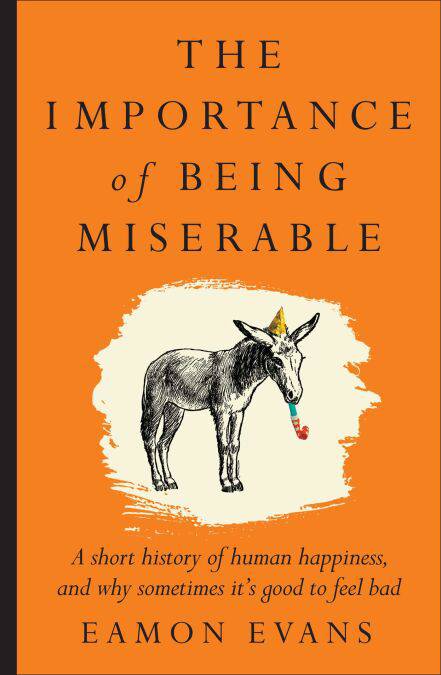
The Importance of Being Miserable E-BOOK
A short history of human happiness, and why sometimes it's good to feel bad
Eamon Evans
E-book | Engels
€ 20,12
+ 20 punten
Omschrijving
Humans just want to be happy, yes? After all, that’s what life’s all about.
Well ... no.
It turns out that, for a huge chunk of history, feeling good was the furthest thing from our minds. Expecting life to be fun and fulfilling (or, if all else fails, fine) is actually a very recent phenomenon. And there’s every reason to think that it’s making us sad.
A playful tour of Western ‘progress’, from ancient philosophers to modern-day pop stars via pills, priests, Proust and the plague, The Importance of Being Miserable explores how, why and when we all started to pursue happiness.
And why feeling bad may not actually be all that bad.
Well ... no.
It turns out that, for a huge chunk of history, feeling good was the furthest thing from our minds. Expecting life to be fun and fulfilling (or, if all else fails, fine) is actually a very recent phenomenon. And there’s every reason to think that it’s making us sad.
A playful tour of Western ‘progress’, from ancient philosophers to modern-day pop stars via pills, priests, Proust and the plague, The Importance of Being Miserable explores how, why and when we all started to pursue happiness.
And why feeling bad may not actually be all that bad.
Specificaties
Betrokkenen
- Auteur(s):
- Uitgeverij:
Inhoud
- Aantal bladzijden:
- 288
- Taal:
- Engels
Eigenschappen
- Productcode (EAN):
- 9781761639753
- Verschijningsdatum:
- 29/12/2025
- Uitvoering:
- E-book
- Beveiligd met:
- Adobe DRM
- Formaat:
- ePub


Alleen bij Standaard Boekhandel
+ 20 punten op je klantenkaart van Standaard Boekhandel
AANGERADEN


Beoordelingen
We publiceren alleen reviews die voldoen aan de voorwaarden voor reviews. Bekijk onze voorwaarden voor reviews.