


- Afhalen na 1 uur in een winkel met voorraad
- Gratis thuislevering in België vanaf € 30
- Ruim aanbod met 7 miljoen producten
- Afhalen na 1 uur in een winkel met voorraad
- Gratis thuislevering in België vanaf € 30
- Ruim aanbod met 7 miljoen producten





€ 124,45
+ 248 punten
Uitvoering
Omschrijving
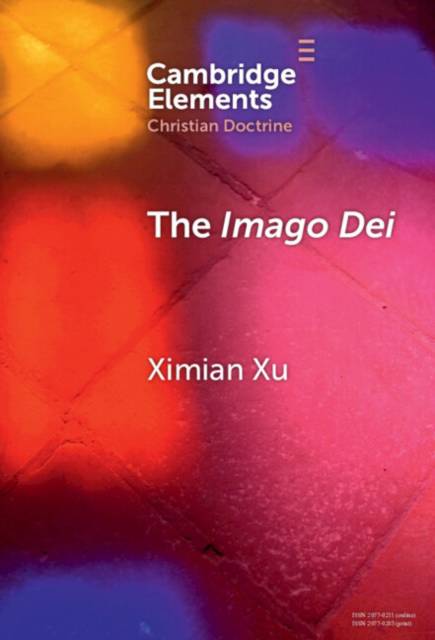
What does it mean to say that the human being is the imago Dei? This Element leverages the Reformed thinking of archetype-ectype to constructively develop a holistic account of the imago. That is, the image of God refers to both the signifier of God-human stories and the stories of ethical performances towards others and the motivator within the psychosomatic human person for the narration of these stories that have been unfolding since Genesis 2. Furthermore, this Element will argue that the religious and ethical implications of the imago Dei are not confined to the contexts of the Christian faith but bear upon the quotidian lives of all humankind, including atheists. To illustrate this, neuroscience and empathic AI will serve as two case studies, demonstrating how the psychosomatic human person as the imago Dei bears the unique role in the narration of both religious and ethical stories.
Specificaties
Betrokkenen
- Auteur(s):
- Uitgeverij:
Inhoud
- Aantal bladzijden:
- 80
- Taal:
- Engels
- Reeks:
Eigenschappen
- Productcode (EAN):
- 9781009642521
- Verschijningsdatum:
- 5/03/2026
- Uitvoering:
- Hardcover
- Formaat:
- Genaaid
- Afmetingen:
- 152 mm x 229 mm
- Gewicht:
- 281 g



Alleen bij Standaard Boekhandel
+ 248 punten op je klantenkaart van Standaard Boekhandel
Cadeau

AANGERADEN


Beoordelingen
We publiceren alleen reviews die voldoen aan de voorwaarden voor reviews. Bekijk onze voorwaarden voor reviews.