


- Afhalen na 1 uur in een winkel met voorraad
- Gratis thuislevering in België vanaf € 30
- Ruim aanbod met 7 miljoen producten
- Afhalen na 1 uur in een winkel met voorraad
- Gratis thuislevering in België vanaf € 30
- Ruim aanbod met 7 miljoen producten





€ 7,82
+ 7 punten
Uitvoering
Eenvoudig bestellen
Veilig betalen


Onmiddellijk geleverd via e-mail
Omschrijving
“The nearest thing to an autobiography Irving has written . . . worth saving and savoring."—Seattle Times
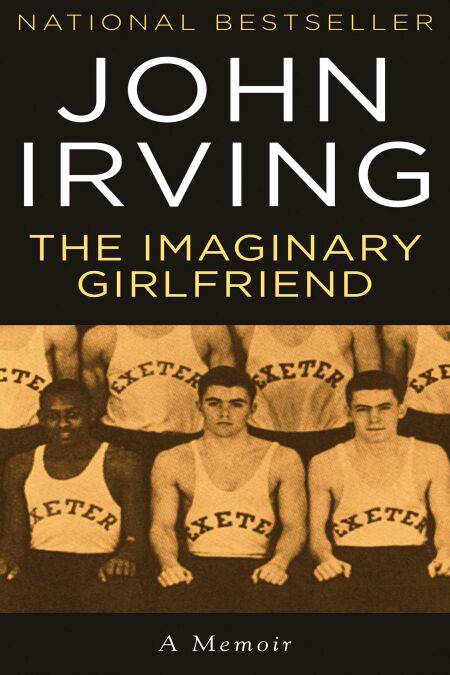
Dedicated to the memory of two wrestling coaches and two writer friends, The Imaginary Girlfriend is John Irving's candid memoir of his twin careers in writing and wrestling. The award-winning author of best-selling novels from The World According to Garp to In One Person, Irving began writing when he was fourteen, the same age at which he began to wrestle at Exeter. He competed as a wrestler for twenty years, was certified as a referee at twenty-four, and coached the sport until he was forty-seven. Irving coached his sons Colin and Brendan to New England championship titles, a championship that he himself was denied.
In an autobiography filled with the humor and compassion one finds in his fiction, Irving explores the interrelationship between the two disciplines of writing and wrestling, from the days when he was a beginner at both until his fourth wresting related surgery at the age of fifty-three. Writing as a father and mentor, he offers a lucid portrait of those—writers and wrestlers from Kurt Vonnegut to Ted Seabrooke—who played a mentor role in his development as a novelist, wrestler, and wrestling coach. He reveals lessons he learned about the pursuit for which he is best known, writing. “And,” as the Denver Post observed, in filling “his narrative with anecdotes that are every bit as hilarious as the antics in his novels, Irving combines the lessons of both obsessions (wrestling and writing) . . . into a somber reflection on the importance of living well.”
Dedicated to the memory of two wrestling coaches and two writer friends, The Imaginary Girlfriend is John Irving's candid memoir of his twin careers in writing and wrestling. The award-winning author of best-selling novels from The World According to Garp to In One Person, Irving began writing when he was fourteen, the same age at which he began to wrestle at Exeter. He competed as a wrestler for twenty years, was certified as a referee at twenty-four, and coached the sport until he was forty-seven. Irving coached his sons Colin and Brendan to New England championship titles, a championship that he himself was denied.
In an autobiography filled with the humor and compassion one finds in his fiction, Irving explores the interrelationship between the two disciplines of writing and wrestling, from the days when he was a beginner at both until his fourth wresting related surgery at the age of fifty-three. Writing as a father and mentor, he offers a lucid portrait of those—writers and wrestlers from Kurt Vonnegut to Ted Seabrooke—who played a mentor role in his development as a novelist, wrestler, and wrestling coach. He reveals lessons he learned about the pursuit for which he is best known, writing. “And,” as the Denver Post observed, in filling “his narrative with anecdotes that are every bit as hilarious as the antics in his novels, Irving combines the lessons of both obsessions (wrestling and writing) . . . into a somber reflection on the importance of living well.”
Specificaties
Betrokkenen
- Auteur(s):
- Uitgeverij:
Inhoud
- Aantal bladzijden:
- 123
- Taal:
- Engels
Eigenschappen
- Productcode (EAN):
- 9781628724127
- Verschijningsdatum:
- 9/12/2013
- Uitvoering:
- E-book
- Beveiligd met:
- Adobe DRM
- Formaat:
- ePub


Alleen bij Standaard Boekhandel
+ 7 punten op je klantenkaart van Standaard Boekhandel
CADEAU

AANGERADEN


Beoordelingen
We publiceren alleen reviews die voldoen aan de voorwaarden voor reviews. Bekijk onze voorwaarden voor reviews.