


- Afhalen na 1 uur in een winkel met voorraad
- Gratis thuislevering in België vanaf € 30
- Ruim aanbod met 7 miljoen producten
- Afhalen na 1 uur in een winkel met voorraad
- Gratis thuislevering in België vanaf € 30
- Ruim aanbod met 7 miljoen producten





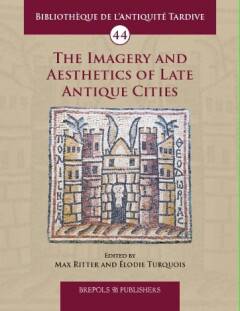
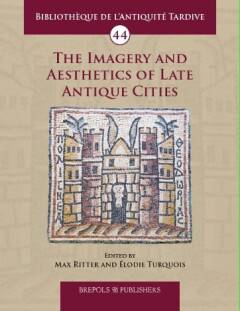
The Imagery and Aesthetics of Late Antique Cities
Max Ritter
€ 132,50
+ 265 punten
Omschrijving
While the role of the city in Late Antiquity has often been discussed by archaeologists and historians alike, it is only in recent years that scholarship has begun to offer a more nuanced approach in our understanding to how such cities functioned, stepping away from the traditional paradigm of their decline and fall with the collapse of the Roman Empire. In line with this approach, this deliberately interdisciplinary volume seeks to provide a more multifaceted understanding of urban history by drawing together scholars of literary and material culture to discuss the concepts of imagery and aesthetics of late antique cities. Gathering together contributions by historians, philologists, archaeologists, literature specialists, and art historians, the volume aims to explore the imagery and aesthetics of cities in Late Antiquity within a strong theoretical framework. The different chapters explore the aesthetics of cityscape representations in literature and art, asking in particular whether literary representations of late antique urban landscapes mirror the urban reality of eclectic ensembles of pre-existing architecture and new buildings, as well as questioning both how the ideal of the city evolved in the imagination of the period and if imperial ideology was reflected in literary depictions of cities.
Specificaties
Betrokkenen
- Auteur(s):
- Uitgeverij:
Inhoud
- Aantal bladzijden:
- 197
- Taal:
- Engels
- Reeks:
- Reeksnummer:
- nr. 44
Eigenschappen
- Productcode (EAN):
- 9782503611914
- Verschijningsdatum:
- 25/09/2025
- Uitvoering:
- Hardcover
- Formaat:
- Genaaid
- Gewicht:
- 2717 g


Alleen bij Standaard Boekhandel
+ 265 punten op je klantenkaart van Standaard Boekhandel
Cadeau

AANGERADEN


Beoordelingen
We publiceren alleen reviews die voldoen aan de voorwaarden voor reviews. Bekijk onze voorwaarden voor reviews.