


- Afhalen na 1 uur in een winkel met voorraad
- Gratis thuislevering in België vanaf € 30
- Ruim aanbod met 7 miljoen producten
- Afhalen na 1 uur in een winkel met voorraad
- Gratis thuislevering in België vanaf € 30
- Ruim aanbod met 7 miljoen producten





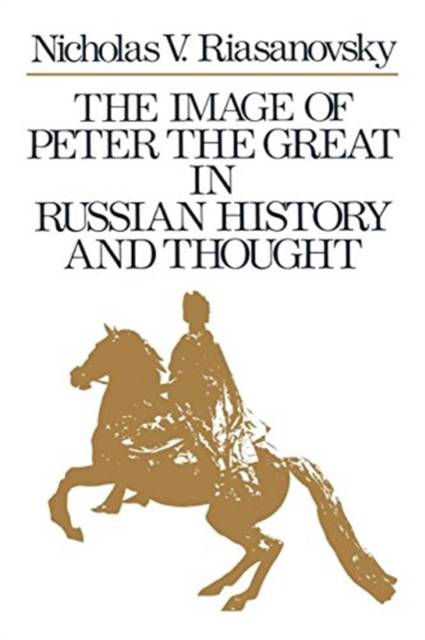
The Image of Peter the Great in Russian History and Thought
Nicholas V Riasanovsky
Paperback | Engels
€ 186,95
+ 373 punten
Omschrijving
The image of Peter the Great casts a long shadow in modern Russian thought and culture. As important to modern Russia as the French Revolution is to France and the Reformation is to Germany, the image of this militaristic ruler, founder of St Petersburg, and czar of all Russia from 1689-1725 has been central to Russian history, literature, and art since the early 1700s. Riasanovsky, one of the foremost historians of Russia, traces the development of this image from 1700 to the present. Drawing examples from Russian historical accounts, literature, folklore, and the arts, he shows how the use of the image of Peter has reflected the changing cultural and political values of the Russian people.
Specificaties
Betrokkenen
- Auteur(s):
- Uitgeverij:
Inhoud
- Aantal bladzijden:
- 352
- Taal:
- Engels
Eigenschappen
- Productcode (EAN):
- 9780195074802
- Verschijningsdatum:
- 26/03/1992
- Uitvoering:
- Paperback
- Formaat:
- Trade paperback (VS)
- Afmetingen:
- 155 mm x 232 mm
- Gewicht:
- 571 g


Alleen bij Standaard Boekhandel
+ 373 punten op je klantenkaart van Standaard Boekhandel
Cadeau

AANGERADEN


Beoordelingen
We publiceren alleen reviews die voldoen aan de voorwaarden voor reviews. Bekijk onze voorwaarden voor reviews.