


- Afhalen na 1 uur in een winkel met voorraad
- Gratis thuislevering in België vanaf € 30
- Ruim aanbod met 7 miljoen producten
- Afhalen na 1 uur in een winkel met voorraad
- Gratis thuislevering in België vanaf € 30
- Ruim aanbod met 7 miljoen producten





€ 0,49
Omschrijving
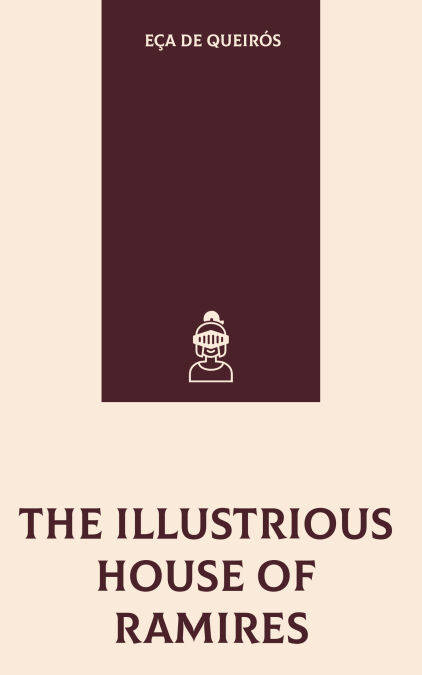
The Illustrious House of Ramires is a richly layered and ironic novel by Eça de Queirós that explores heritage, ambition, and the weight of history on the modern soul. Blending social satire with historical romance, Queirós crafts a sophisticated narrative about identity—both personal and national—set against the backdrop of Portugal's fading aristocracy.
The story centers on Gonçalo Mendes Ramires, the last descendant of an ancient and noble lineage. Proud of his family's glorious past but uncertain of his own abilities, Gonçalo is determined to restore his house's prestige. In pursuit of political advancement and social recognition, he begins writing a historical novella celebrating the heroic deeds of his medieval ancestors. As he immerses himself in tales of chivalry and honor, a striking contrast emerges between the valor of the past and the compromises of his present life.
While Gonçalo glorifies the courage and integrity of his forebears, he himself struggles with indecision, vanity, and moral weakness. His personal relationships, political aspirations, and financial concerns reveal the fragility beneath his aristocratic pride. Through this dual narrative—one set in the romanticized medieval era and the other in contemporary society—Queirós offers a subtle but incisive critique of nostalgia and national mythmaking.
With elegance and wit, the novel examines the tension between illusion and reality. It questions whether the grandeur of history can truly guide modern action, or whether it merely serves as a comforting escape from present challenges. Gonçalo's journey becomes symbolic of a country grappling with its legacy, caught between reverence for its past and uncertainty about its future.
At once humorous and reflective, The Illustrious House of Ramires stands as one of Queirós' most sophisticated works. It is a meditation on pride, self-deception, and the enduring influence of ancestry. Through nuanced characterization and gentle irony, Queirós portrays a man—and a nation—seeking meaning in stories of former greatness.
Insightful, layered, and timeless, The Illustrious House of Ramires remains a masterful exploration of legacy, ambition, and the complex dialogue between history and modern identity.
The story centers on Gonçalo Mendes Ramires, the last descendant of an ancient and noble lineage. Proud of his family's glorious past but uncertain of his own abilities, Gonçalo is determined to restore his house's prestige. In pursuit of political advancement and social recognition, he begins writing a historical novella celebrating the heroic deeds of his medieval ancestors. As he immerses himself in tales of chivalry and honor, a striking contrast emerges between the valor of the past and the compromises of his present life.
While Gonçalo glorifies the courage and integrity of his forebears, he himself struggles with indecision, vanity, and moral weakness. His personal relationships, political aspirations, and financial concerns reveal the fragility beneath his aristocratic pride. Through this dual narrative—one set in the romanticized medieval era and the other in contemporary society—Queirós offers a subtle but incisive critique of nostalgia and national mythmaking.
With elegance and wit, the novel examines the tension between illusion and reality. It questions whether the grandeur of history can truly guide modern action, or whether it merely serves as a comforting escape from present challenges. Gonçalo's journey becomes symbolic of a country grappling with its legacy, caught between reverence for its past and uncertainty about its future.
At once humorous and reflective, The Illustrious House of Ramires stands as one of Queirós' most sophisticated works. It is a meditation on pride, self-deception, and the enduring influence of ancestry. Through nuanced characterization and gentle irony, Queirós portrays a man—and a nation—seeking meaning in stories of former greatness.
Insightful, layered, and timeless, The Illustrious House of Ramires remains a masterful exploration of legacy, ambition, and the complex dialogue between history and modern identity.
Specificaties
Betrokkenen
- Auteur(s):
- Uitgeverij:
Inhoud
- Aantal bladzijden:
- 406
- Taal:
- Engels
Eigenschappen
- Productcode (EAN):
- 9781349939121
- Verschijningsdatum:
- 1/03/2026
- Uitvoering:
- E-book
- Beveiligd met:
- Digital watermarking
- Formaat:
- ePub



Alleen bij Standaard Boekhandel
Cadeau

AANGERADEN


Beoordelingen
We publiceren alleen reviews die voldoen aan de voorwaarden voor reviews. Bekijk onze voorwaarden voor reviews.