


- Afhalen na 1 uur in een winkel met voorraad
- Gratis thuislevering in België vanaf € 30
- Ruim aanbod met 7 miljoen producten
- Afhalen na 1 uur in een winkel met voorraad
- Gratis thuislevering in België vanaf € 30
- Ruim aanbod met 7 miljoen producten





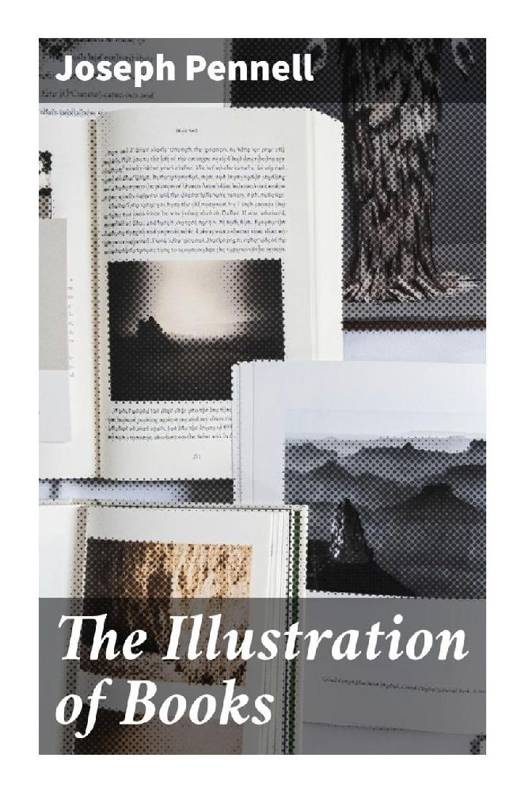
The Illustration of Books
A Victorian Guide to Printmaking, Pen-and-Ink Technique, and Fine Press Design
Joseph Pennell
Paperback | Engels
€ 7,95
+ 15 punten
Eenvoudig bestellen
Veilig betalen


Gratis thuislevering vanaf € 30 (via bpost)
Gratis levering in je Standaard Boekhandel
Omschrijving
The Illustration of Books is both a practical manual and a lucid statement of aesthetic principle, addressing the making of images for printed literature at a moment when mechanical reproduction was transforming publishing. Pennell examines the relation between text and image, the demands of drawing for reproduction, and the responsibilities of illustrator, printer, and publisher. Written in a direct, pedagogical style, the book belongs to the late-Victorian discourse on design, craft, and the book arts, alongside debates shaped by wood engraving, process blocks, and the Arts and Crafts movement. Joseph Pennell, an American-born artist, etcher, illustrator, and critic, brought to the subject extensive professional experience on both sides of the Atlantic. His career in periodical and book illustration, his technical knowledge of print media, and his close engagement with contemporary artistic circles equipped him to speak not merely as a theorist but as a working practitioner. His concern is to elevate illustration from decoration to disciplined visual interpretation. This book is recommended to readers interested in book history, illustration, graphic design, and nineteenth-century visual culture. It remains valuable for its informed attention to technique, its insistence on artistic integrity, and its insight into the collaborative making of books.
Specificaties
Betrokkenen
- Auteur(s):
- Uitgeverij:
Inhoud
- Taal:
- Engels
Eigenschappen
- Productcode (EAN):
- 9788027291731
- Uitvoering:
- Paperback
- Afmetingen:
- 152 mm x 229 mm
- Gewicht:
- 86 g


Alleen bij Standaard Boekhandel
+ 15 punten op je klantenkaart van Standaard Boekhandel
CADEAU

AANGERADEN


Beoordelingen
We publiceren alleen reviews die voldoen aan de voorwaarden voor reviews. Bekijk onze voorwaarden voor reviews.