


- Afhalen na 1 uur in een winkel met voorraad
- Gratis thuislevering in België vanaf € 30
- Ruim aanbod met 7 miljoen producten
- Afhalen na 1 uur in een winkel met voorraad
- Gratis thuislevering in België vanaf € 30
- Ruim aanbod met 7 miljoen producten





€ 83,45
+ 166 punten
Uitvoering
Omschrijving
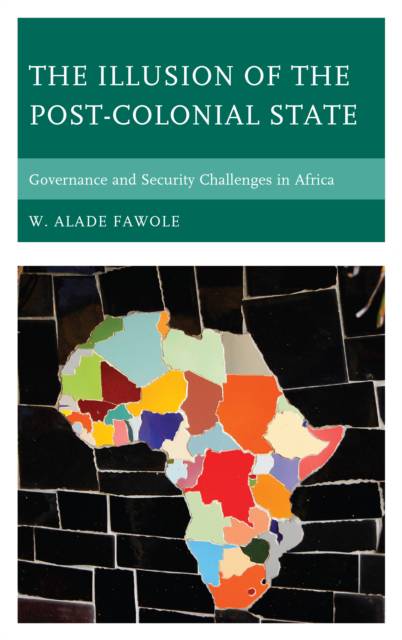
This book challenges the long-held conventional wisdom that Africa is a post-colonial society of sovereign nation-states despite the outward attributes of statehood: demarcated territories, permanent populations, governments, national currencies, police, and armed forces. While it is true that African nation-states have been gifted flag independence by their respective colonial masters, few have reached fully developed status as a secure nation-state. Most African nation-states have, since independence, been grappling with the crisis of state-building, nation-building, governance, and myriad security challenges which have been chronically exacerbated by the dynamics of the post-Cold War era. To focus merely on the agency of the African political elite and their inability to sustain functional modern nation-states misses the point. The central argument of the book is that an understanding of Africa's contemporary governance and security challenges requires us to historicize the discourse surrounding nation-building and state-building throughout Africa.
Specificaties
Betrokkenen
- Auteur(s):
- Uitgeverij:
Inhoud
- Aantal bladzijden:
- 254
- Taal:
- Engels
- Reeks:
Eigenschappen
- Productcode (EAN):
- 9781498564625
- Verschijningsdatum:
- 14/08/2020
- Uitvoering:
- Paperback
- Formaat:
- Trade paperback (VS)
- Afmetingen:
- 152 mm x 229 mm
- Gewicht:
- 376 g


Alleen bij Standaard Boekhandel
+ 166 punten op je klantenkaart van Standaard Boekhandel
Cadeau

AANGERADEN


Beoordelingen
We publiceren alleen reviews die voldoen aan de voorwaarden voor reviews. Bekijk onze voorwaarden voor reviews.