


- Afhalen na 1 uur in een winkel met voorraad
- Gratis thuislevering in België vanaf € 30
- Ruim aanbod met 7 miljoen producten
- Afhalen na 1 uur in een winkel met voorraad
- Gratis thuislevering in België vanaf € 30
- Ruim aanbod met 7 miljoen producten





€ 74,45
+ 148 punten
Uitvoering
Omschrijving
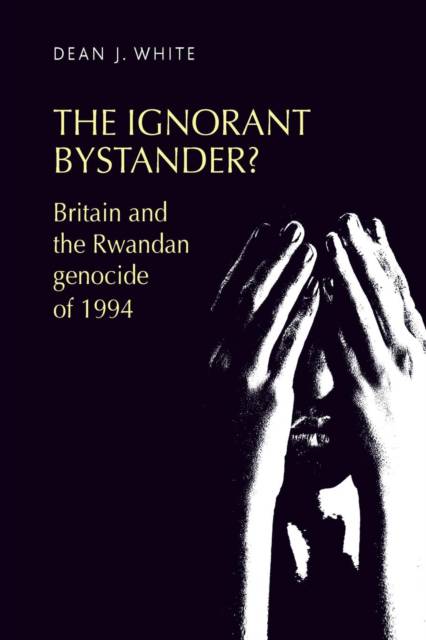
The ignorant bystander: Britain and the Rwandan genocide uses a case study of Britain's response to the genocide to explore what factors motivate humanitarian intervention in overseas crises. The Rwandan genocide was one of the bloodiest events in the late twentieth century and the international community's response has stimulated a great deal of interest and debate ever since. In this study, Dean White provides the most thorough review of Britain's response to the crisis written to date. The research draws on previously unseen documents and interviews with ministers and senior diplomats, and examines issues such as how the decision to intervene was made by the British Government, how media coverage led to a significant misunderstanding of the crisis, and how Britain shaped debate at the UN Security Council. The book concludes by comparing the response to Rwanda, to Britain's response to the recent crises in Syria and Libya.
Specificaties
Betrokkenen
- Auteur(s):
- Uitgeverij:
Inhoud
- Aantal bladzijden:
- 192
- Taal:
- Engels
Eigenschappen
- Productcode (EAN):
- 9781526107473
- Verschijningsdatum:
- 28/02/2017
- Uitvoering:
- Paperback
- Formaat:
- Trade paperback (VS)
- Afmetingen:
- 156 mm x 234 mm
- Gewicht:
- 276 g



Alleen bij Standaard Boekhandel
+ 148 punten op je klantenkaart van Standaard Boekhandel
Cadeau

AANGERADEN


Beoordelingen
We publiceren alleen reviews die voldoen aan de voorwaarden voor reviews. Bekijk onze voorwaarden voor reviews.