


- Afhalen na 1 uur in een winkel met voorraad
- Gratis thuislevering in België vanaf € 30
- Ruim aanbod met 7 miljoen producten
- Afhalen na 1 uur in een winkel met voorraad
- Gratis thuislevering in België vanaf € 30
- Ruim aanbod met 7 miljoen producten





€ 14,22
+ 28 punten
Omschrijving
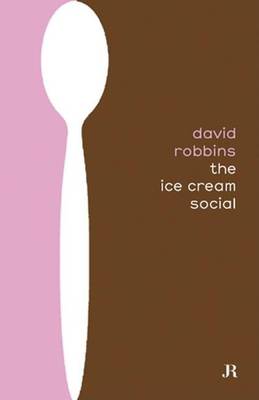
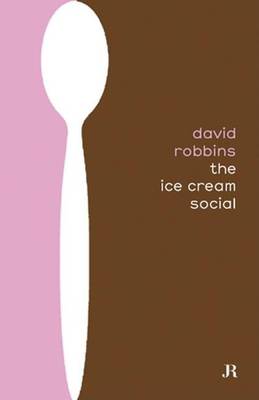
After David Robbins achieved art-world success with his photographic work Talent (1986)--in which he depicted Cindy Sherman, Jeff Koons, Jenny Holzer and 15 other contemporary artists as entertainers--he became progressively disenchanted with the art world, and in 1996 returned to his hometown of Milwaukee, Wisconsin to pursue what he termed "alternatives to art." The first of these was The Ice Cream Social (1993-2008), which had premiered in a Manhattan Baskin-Robbins ice cream shop in 1993 and then, over the next 15 years, gradually expanded to include (in Ice Cream Socials in Chicago, Paris, Tokyo, London and Des Moines) performance, installation, poetry, painting, a 2002 TV pilot for the Sundance Channel, fridge magnets, ceramic bowls and a novella. In this witty novella, originally published in 1998 and here re-issued by JRP/Ringier, Robbins recounts the generative 1993 Manhattan event, embedding it within a larger fiction that also includes the blueprint for the TV pilot realized later. Updating the traditional small-town American social ritual for contemporary audiences, Robbins' Ice Cream Social shared many of the strategies of those artists associated with Relational Aesthetics, while at the same time pioneering what curator Hans Ulrich Obrist lauded as "an expanded exhibition model."
Specificaties
Betrokkenen
- Auteur(s):
- Uitgeverij:
Inhoud
- Aantal bladzijden:
- 64
- Taal:
- Frans
Eigenschappen
- Productcode (EAN):
- 9782940271559
- Verschijningsdatum:
- 18/11/2004
- Uitvoering:
- Paperback
- Formaat:
- Trade paperback (VS)
- Afmetingen:
- 115 mm x 165 mm
- Gewicht:
- 100 g


Alleen bij Standaard Boekhandel
+ 28 punten op je klantenkaart van Standaard Boekhandel
CADEAU

AANGERADEN


Beoordelingen
We publiceren alleen reviews die voldoen aan de voorwaarden voor reviews. Bekijk onze voorwaarden voor reviews.