


- Afhalen na 1 uur in een winkel met voorraad
- Gratis thuislevering in België vanaf € 30
- Ruim aanbod met 7 miljoen producten
- Afhalen na 1 uur in een winkel met voorraad
- Gratis thuislevering in België vanaf € 30
- Ruim aanbod met 7 miljoen producten





€ 41,95
+ 83 punten
Omschrijving
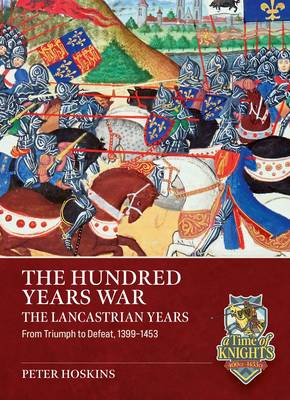
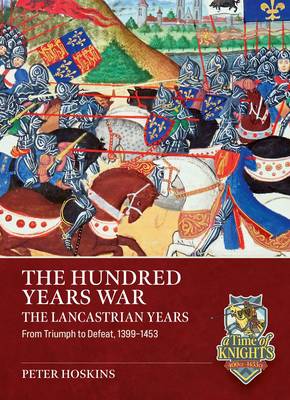
The early Lancastrian years after Henry Bolingbroke's usurpation of the throne were marked by civil strife in both England and France, naval warfare between the two realms, and limited, ultimately unsuccessful, interference in the affairs of both countries. The Hundred Years War, the Lancastrian Years charts these developments, from the triumphant years of Henry V through to his untimely death in 1422, the continuation of the war under Henry's brother, the Duke of Bedford, the reversal of fortunes after Joan of Arc's relief of Orléans, and ends with the final expulsion of the English from Aquitaine in 1453 after the Battle of Castillon.
The Hundred Years War, the Lancastrian Years demonstrates the change of strategy from the Edwardian Years, when the focus was on engaging the French in battle, to Henry V's aim of conquest and establishing an English administration.
Those interested in the Hundred Years War and, more broadly, in military history will find much of interest in this fresh approach to the period, which draws on a range of primary and secondary sources.
The Hundred Years War, the Lancastrian Years demonstrates the change of strategy from the Edwardian Years, when the focus was on engaging the French in battle, to Henry V's aim of conquest and establishing an English administration.
Those interested in the Hundred Years War and, more broadly, in military history will find much of interest in this fresh approach to the period, which draws on a range of primary and secondary sources.
Specificaties
Betrokkenen
- Auteur(s):
- Uitgeverij:
Inhoud
- Aantal bladzijden:
- 264
- Taal:
- Engels
- Reeks:
Eigenschappen
- Productcode (EAN):
- 9781806722662
- Verschijningsdatum:
- 15/12/2026
- Uitvoering:
- Paperback
- Formaat:
- Trade paperback (VS)
- Afmetingen:
- 180 mm x 249 mm


Alleen bij Standaard Boekhandel
+ 83 punten op je klantenkaart van Standaard Boekhandel
Cadeau

AANGERADEN


Beoordelingen
We publiceren alleen reviews die voldoen aan de voorwaarden voor reviews. Bekijk onze voorwaarden voor reviews.