


- Afhalen na 1 uur in een winkel met voorraad
- Gratis thuislevering in België vanaf € 30
- Ruim aanbod met 7 miljoen producten
- Afhalen na 1 uur in een winkel met voorraad
- Gratis thuislevering in België vanaf € 30
- Ruim aanbod met 7 miljoen producten





Omschrijving
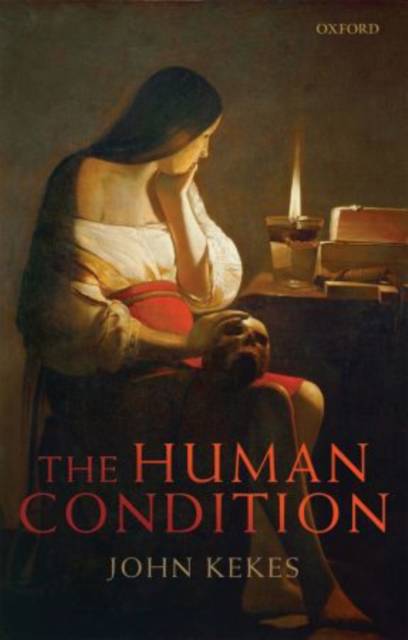
The Human Condition is a response to the growing disenchantment in the Western world with contemporary life. John Kekes provides rationally justified answers to questions about the meaning of life, the basis of morality, the contingencies of human lives, the prevalence of evil, the nature and extent of human responsibility, and the sources of values we prize. He offers a realistic view of the human condition that rejects both facile optimism and gloomy pessimism; acknowledges that we are vulnerable to contingencies we cannot fully control; defends a humanistic understanding of our condition; recognizes that the values worth pursuing are plural, often conflicting, and that there are many reasonable conceptions of well-being. Kekes emphasizes the importance of facing the fact that man's inhumanity to man is widespread. He rejects as simple-minded both the view that human nature is basically good and that it is basically bad, and argues that our well-being depends on coping with the complex truth that human nature is basically complicated. Finally, Kekes argues that the scheme of things is indifferent to our fortunes and that we can rely only on our own resources to make what we can of our lives.
Specificaties
Betrokkenen
- Auteur(s):
- Uitgeverij:
Inhoud
- Aantal bladzijden:
- 286
- Taal:
- Engels
Eigenschappen
- Productcode (EAN):
- 9780199687480
- Verschijningsdatum:
- 28/01/2014
- Uitvoering:
- Paperback
- Formaat:
- Trade paperback (VS)
- Afmetingen:
- 140 mm x 213 mm
- Gewicht:
- 340 g


Alleen bij Standaard Boekhandel
+ 180 punten op je klantenkaart van Standaard Boekhandel
Cadeau

AANGERADEN


Beoordelingen
We publiceren alleen reviews die voldoen aan de voorwaarden voor reviews. Bekijk onze voorwaarden voor reviews.