


- Afhalen na 1 uur in een winkel met voorraad
- Gratis thuislevering in België vanaf € 30
- Ruim aanbod met 7 miljoen producten
- Afhalen na 1 uur in een winkel met voorraad
- Gratis thuislevering in België vanaf € 30
- Ruim aanbod met 7 miljoen producten





€ 488,45
+ 976 punten
Uitvoering
Omschrijving
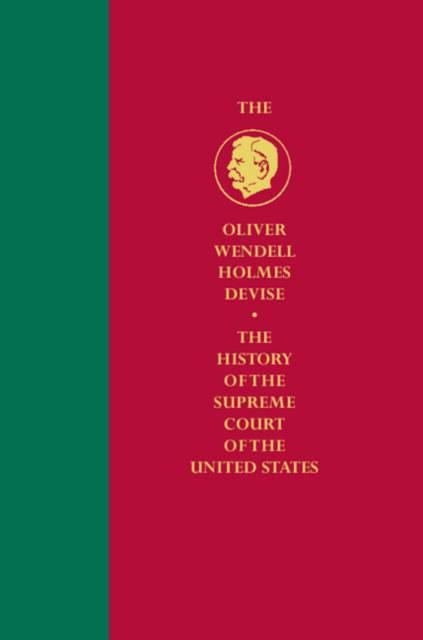
The Hughes Court: From Progressivism to Pluralism, 1930 to 1941 describes the closing of one era in constitutional jurisprudence and the opening of another. This comprehensive study of the Supreme Court from 1930 to 1941 - when Charles Evans Hughes was Chief Justice - shows how nearly all justices, even the most conservative, accepted the broad premises of a Progressive theory of government and the Constitution. The Progressive view gradually increased its hold throughout the decade, but at its end, interest group pluralism began to influence the law. By 1941, constitutional and public law was discernibly different from what it had been in 1930, but there was no sharp or instantaneous Constitutional Revolution in 1937 despite claims to the contrary. This study supports its conclusions by examining the Court's work in constitutional law, administrative law, the law of justiciability, civil rights and civil liberties, and statutory interpretation.
Specificaties
Betrokkenen
- Auteur(s):
- Uitgeverij:
Inhoud
- Aantal bladzijden:
- 1272
- Taal:
- Engels
- Reeks:
- Reeksnummer:
- nr. 11
Eigenschappen
- Productcode (EAN):
- 9781316515938
- Verschijningsdatum:
- 3/02/2022
- Uitvoering:
- Hardcover
- Formaat:
- Genaaid
- Afmetingen:
- 163 mm x 241 mm
- Gewicht:
- 2131 g


Alleen bij Standaard Boekhandel
+ 976 punten op je klantenkaart van Standaard Boekhandel
Cadeau

AANGERADEN


Beoordelingen
We publiceren alleen reviews die voldoen aan de voorwaarden voor reviews. Bekijk onze voorwaarden voor reviews.