


- Afhalen na 1 uur in een winkel met voorraad
- Gratis thuislevering in België vanaf € 30
- Ruim aanbod met 7 miljoen producten
- Afhalen na 1 uur in een winkel met voorraad
- Gratis thuislevering in België vanaf € 30
- Ruim aanbod met 7 miljoen producten




Omschrijving
Origins:
It has been argued that the rhyme is derived from an Aramaic hymn Chad Gadya (lit., "One Young Goat") in Sepher Haggadah, first printed in 1590; but although this is an early cumulative tale that may have inspired the form, the lyrics bear little relationship. It was suggested by James Orchard Halliwell that the reference to the "priest all shaven and shorn" indicates that the English version is probably very old, presumably as far back as the mid-sixteenth century.
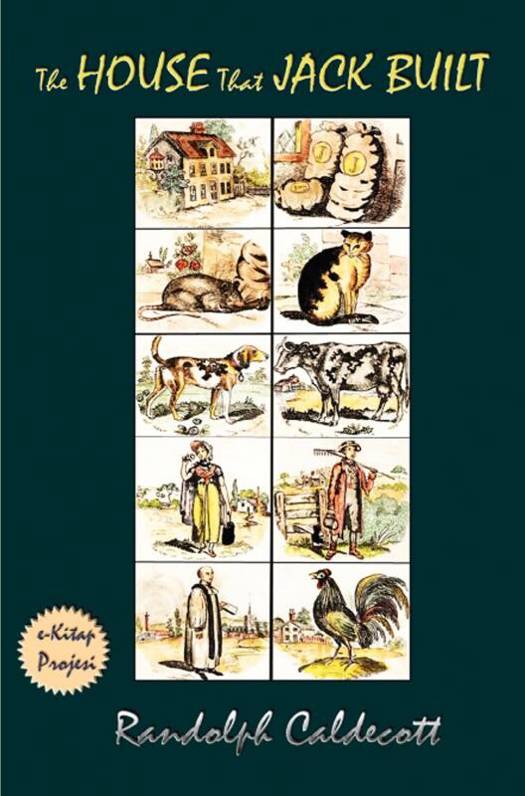
There is a possible reference to the song in The Boston New Letter of 12 April 1739 and the line: "This is the man all forlorn, &c". However, it did not appear in print until it was included in Nurse Truelove's New-Year's-Gift, or the Book of Books for Children, printed in London in 1755. It was printed in numerous collections in the late eighteenth and early nineteenth centuries. Randolph Caldecott produced an illustrated version in 1878.
Cherrington Manor, a handsome timber-framed house in North East Shropshire, England, is reputed to be the actual house that Jack built. There is a former malt house in the grounds.
It has been argued that the rhyme is derived from an Aramaic hymn Chad Gadya (lit., "One Young Goat") in Sepher Haggadah, first printed in 1590; but although this is an early cumulative tale that may have inspired the form, the lyrics bear little relationship. It was suggested by James Orchard Halliwell that the reference to the "priest all shaven and shorn" indicates that the English version is probably very old, presumably as far back as the mid-sixteenth century.
There is a possible reference to the song in The Boston New Letter of 12 April 1739 and the line: "This is the man all forlorn, &c". However, it did not appear in print until it was included in Nurse Truelove's New-Year's-Gift, or the Book of Books for Children, printed in London in 1755. It was printed in numerous collections in the late eighteenth and early nineteenth centuries. Randolph Caldecott produced an illustrated version in 1878.
Cherrington Manor, a handsome timber-framed house in North East Shropshire, England, is reputed to be the actual house that Jack built. There is a former malt house in the grounds.
Specificaties
Betrokkenen
- Auteur(s):
- Uitgeverij:
Inhoud
- Aantal bladzijden:
- 26
- Taal:
- Engels
Eigenschappen
- Productcode (EAN):
- 9786256310933
- Verschijningsdatum:
- 11/03/2025
- Uitvoering:
- Paperback
- Afmetingen:
- 155 mm x 235 mm
- Gewicht:
- 65 g


Alleen bij Standaard Boekhandel
+ 33 punten op je klantenkaart van Standaard Boekhandel
CADEAU


Beoordelingen
We publiceren alleen reviews die voldoen aan de voorwaarden voor reviews. Bekijk onze voorwaarden voor reviews.