


- Afhalen na 1 uur in een winkel met voorraad
- Gratis thuislevering in België vanaf € 30
- Ruim aanbod met 7 miljoen producten
- Afhalen na 1 uur in een winkel met voorraad
- Gratis thuislevering in België vanaf € 30
- Ruim aanbod met 7 miljoen producten





Omschrijving
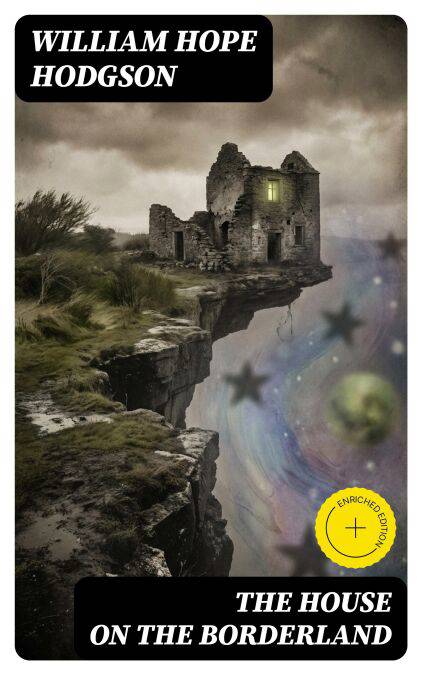
In "The House on the Borderland," William Hope Hodgson masterfully blends elements of horror, fantasy, and cosmic literature to create a haunting narrative that explores the boundaries between reality and the unknown. Through the account of a recluse who uncovers a sinister, otherworldly realm within his dilapidated home, Hodgson constructs a rich tapestry of atmospheric descriptions and philosophical musings. The novel's unique format interweaves journal entries, dream sequences, and fragmentary narratives, thereby enhancing its unsettling ambiance and challenging conventional storytelling techniques that emerged during the early 20th century, a period marked by existential inquiry and a fascination with the occult. William Hope Hodgson, an influential yet often underappreciated figure in early speculative fiction, was shaped by both his experiences at sea and an intimate understanding of the supernatural. His life, steeped in adventures that often flirted with the terrifying, greatly informed his thematic focus on the fragility of human understanding in the face of vast, unknowable realms. Hodgson's engagement with metaphysical themes and horror is reflective of the anxieties of his era, particularly in the aftermath of World War I, where societal certainties began to fragment. This seminal work is highly recommended for readers interested in the intersection of literary innovation and psychological horror. Hodgson's intricate world-building and profound insights into human existence make "The House on the Borderland" a must-read for aficionados of weird fiction and those who revel in exploring the dark recesses of the human psyche.
Specificaties
Betrokkenen
- Auteur(s):
- Uitgeverij:
Inhoud
- Aantal bladzijden:
- 150
- Taal:
- Engels
Eigenschappen
- Productcode (EAN):
- 8596547389187
- Verschijningsdatum:
- 12/11/2022
- Uitvoering:
- E-book
- Beveiligd met:
- Digital watermarking
- Formaat:
- ePub


Alleen bij Standaard Boekhandel
Cadeau

AANGERADEN


Beoordelingen
We publiceren alleen reviews die voldoen aan de voorwaarden voor reviews. Bekijk onze voorwaarden voor reviews.