


- Afhalen na 1 uur in een winkel met voorraad
- Gratis thuislevering in België vanaf € 30
- Ruim aanbod met 7 miljoen producten
- Afhalen na 1 uur in een winkel met voorraad
- Gratis thuislevering in België vanaf € 30
- Ruim aanbod met 7 miljoen producten





€ 0,49
Uitvoering
Eenvoudig bestellen
Veilig betalen


Onmiddellijk geleverd via e-mail
Omschrijving
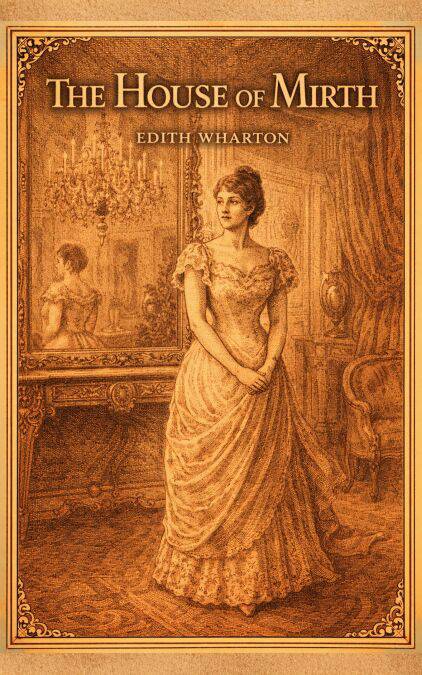
A brilliant portrait of ambition, desire, and social constraint, The House of Mirth by Edith Wharton is a powerful exploration of wealth, status, and the price of belonging in Gilded Age New York. First published in 1905, this enduring classic remains one of the most incisive and emotionally resonant novels of American literature.
At the center of the story is Lily Bart, a beautiful and intelligent young woman raised to value luxury and refinement above all else. Trapped within a rigid social world where marriage is the primary means of security, Lily seeks both financial stability and genuine affection. Yet her longing for independence and authenticity clashes with the unforgiving expectations of the elite society in which she moves. As she navigates glittering drawing rooms, country estates, and fashionable European travels, Lily becomes entangled in a web of gossip, financial vulnerability, and moral compromise.
Wharton's keen social insight reveals a world governed by appearance and power, where fortunes are made and reputations destroyed with ruthless efficiency. Through Lily's gradual fall from privilege to isolation, the novel exposes the precarious position of women in a society that prizes beauty and charm but offers little protection or agency. Each choice Lily makes carries profound consequences, and her struggle becomes both deeply personal and universally human.
With elegance and precision, Wharton dissects the codes of conduct, class hierarchies, and unspoken rules that define her characters' lives. Beneath the novel's refined surface lies a sharp critique of materialism and hypocrisy, as well as a compassionate understanding of human weakness and longing. Lily Bart emerges as one of literature's most unforgettable heroines—flawed, courageous, and tragically vulnerable.
Both a social satire and a poignant tragedy, The House of Mirth is a timeless meditation on freedom, identity, and the cost of conformity. Edith Wharton's masterful storytelling continues to captivate readers, offering a haunting reflection on the pursuit of happiness in a world where success is measured by wealth and reputation.
At the center of the story is Lily Bart, a beautiful and intelligent young woman raised to value luxury and refinement above all else. Trapped within a rigid social world where marriage is the primary means of security, Lily seeks both financial stability and genuine affection. Yet her longing for independence and authenticity clashes with the unforgiving expectations of the elite society in which she moves. As she navigates glittering drawing rooms, country estates, and fashionable European travels, Lily becomes entangled in a web of gossip, financial vulnerability, and moral compromise.
Wharton's keen social insight reveals a world governed by appearance and power, where fortunes are made and reputations destroyed with ruthless efficiency. Through Lily's gradual fall from privilege to isolation, the novel exposes the precarious position of women in a society that prizes beauty and charm but offers little protection or agency. Each choice Lily makes carries profound consequences, and her struggle becomes both deeply personal and universally human.
With elegance and precision, Wharton dissects the codes of conduct, class hierarchies, and unspoken rules that define her characters' lives. Beneath the novel's refined surface lies a sharp critique of materialism and hypocrisy, as well as a compassionate understanding of human weakness and longing. Lily Bart emerges as one of literature's most unforgettable heroines—flawed, courageous, and tragically vulnerable.
Both a social satire and a poignant tragedy, The House of Mirth is a timeless meditation on freedom, identity, and the cost of conformity. Edith Wharton's masterful storytelling continues to captivate readers, offering a haunting reflection on the pursuit of happiness in a world where success is measured by wealth and reputation.
Specificaties
Betrokkenen
- Auteur(s):
- Uitgeverij:
Inhoud
- Aantal bladzijden:
- 456
- Taal:
- Engels
Eigenschappen
- Productcode (EAN):
- 9782361300197
- Verschijningsdatum:
- 13/02/2026
- Uitvoering:
- E-book
- Beveiligd met:
- Digital watermarking
- Formaat:
- ePub


Alleen bij Standaard Boekhandel
CADEAU

AANGERADEN


Beoordelingen
We publiceren alleen reviews die voldoen aan de voorwaarden voor reviews. Bekijk onze voorwaarden voor reviews.